Sport Shooting

Sport shooting is a precision sport where participants test their accuracy with various firearms at designated targets. Events include disciplines like trap, skeet, pistol, and rifle shooting. It’s an Olympic sport that demands focus, steady hands, and excellent hand-eye coordination.

What we offer

ALL OFFICIAL NATSHOOT POSTAL TARGET SHOOTING EXERCISES

Handguns

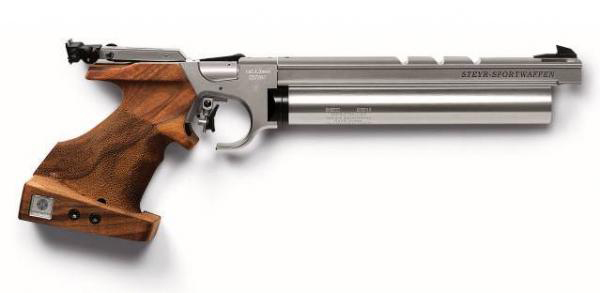
This exercise is designed to shoot air pistols so that the participant can endeavour to achieve the best and most consistent accuracy. The shooter shoots in the traditional manner from the prone position, from the bench or with “crossed sticks” or with a single support of a similar design.

FIREARMS PERMITTED: Only Springer, CO2, or PCP Air Pistols in the following Calibres may be used (.177 / 4.5mm ; .20 / 5mm ; .22 / 5,58mm ; .25 / 6,35mm)

SHOOTING DISTANCE: The shooting distance measured from the target to the edge of the firing line closest to the shooter is 10 meters.

COURSE OF FIRE: Two shots per small target printed on one A4 page shot at 10m with score counting out of 100points

FIRING POSITION: Standing position, Air Pistol held in one or both hands, with all portions of the shooter`s clothing, body and firearm clear of artificial support.

A .22 Rimfire Derringer & Vest-Gun is a handgun of which the barrel is not longer than 3 inches and of which the whole frame, sights and grip, fits into a rectangle of 130mm x 100mm.

The Rimfire Derringer & Vest-Gun must fit into the box described on the page you can Download HERE

FIREARMS PERMITTED: .22 Rimfire Derringers and .22 Rimfire calibre Vest-Guns (.22S, .22LR, .22Mag) and .22wmr calibre revolvers (all types of sight configuration allowed)

SHOOTING DISTANCE: The shooting distance measured from the target to the front edge of the Shooter’s firing line is 5 metres.

COURSE OF FIRE: Total of 5 shots at 5m – shot on your own time, on one target and scored out of 50 points.

FIRING POSITION: Standing position, Derringer or Vest-Gun held in one or both hands, with all portions of the shooter`s clothing, body and firearm clear of artificial support.

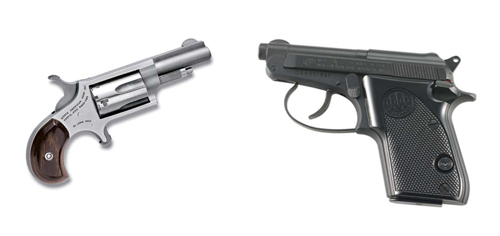
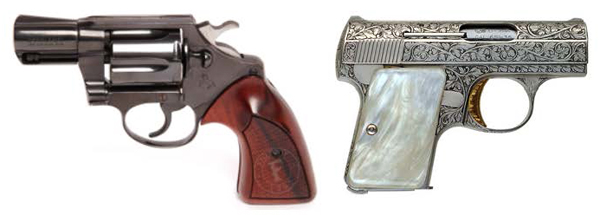
.22 RIMFIRE “SNUBBY” & POCKET PISTOL: All Calibres of .22 Rimfire Semi-Auto Pistols and Revolvers of which the barrel is not longer than 100mm and the grip below the trigger guard is not longer than 90mm (5mm variance on all sides allowed).
The Rimfire Snubby / Pocket Pistol must fit the boxes described on the page you can Download HERE

FIREARMS PERMITTED: Only .22S, .22LR, and .22Mag calibres allowed in Rimfire Semi-Auto Pistols OR Singe/Double Action Revolvers conforming to the definition of “Snubby” & Pocket Pistol – only fixed metallic sights allowed

SHOOTING DISTANCE: The shooting distance measured from the target to the front edge of the Shooter’s firing line is 5 metres.

COURSE OF FIRE: Total of 5 shots at 5m – shot on your own time, on one target and scored out of 50 points.

FIRING POSITION: Standing position, Rimfire “Snubby” or Pocket Pistol held in one or both hands, with all portions of the shooter`s clothing, body and firearm clear of artificial support.

RIMFIRE BOX-GUN: A .22 Rimfire Box-Gun is a Rimfire handgun of which the whole frame, sights and grip, fits into a rectangle of 210mm [L] x 160mm [H].

The Box-Gun must fit into the box described on the page you can Download HERE

FIREARMS PERMITTED: Only handguns in calibres from .22S, .22LR and .22Mag, which fit in the prescribed Rectangle (all types of sight configuration allowed)

SHOOTING DISTANCE: The shooting distance measured from the target to the front edge of the Shooter’s firing line is 8 metres.

COURSE OF FIRE: Total of 5 shots at 8m – shot on your own time, on one target and scored out of 50 points.

FIRING POSITION: Standing position, Box-Gun held in one or both hands, with all portions of the shooter`s clothing, body and firearm clear of artificial support.

FIREARMS PERMITTED: Only .22 Rimfire Handguns in calibres .22S, .22LR & 22Mag. (all types of sight configuration allowed)

SHOOTING DISTANCE: The shooting distance measured from the target to the front edge of the Shooter’s firing line is 10 metres.

COURSE OF FIRE: 5 shots at 10m shot on the relevant Target, in your own time scored out of 50 points.

FIRING POSITION: Standing position, handgun held in one or both hands, with all portions of the shooter`s clothing, body and firearm clear of artificial support.

A .22 Rimfire Derringer & Vest-Gun is a handgun of which the barrel is not longer than 3 inches and of which the whole frame, sights and grip, fits into a rectangle of 130mm x 100mm.

The Rimfire Derringer & Vest-Gun must fit into the box described on the page you can Download HERE

FIREARMS PERMITTED: .22 Rimfire Derringers and .22 Rimfire calibre Vest-Guns (.22S, .22LR, .22Mag) and .22wmr calibre revolvers (all types of sight configuration allowed)

SHOOTING DISTANCE: The shooting distance measured from the target to the front edge of the Shooter’s firing line is 5 metres.

COURSE OF FIRE: Total of 5 shots at 5m – shot on your own time, on one target and scored out of 50 points.

FIRING POSITION: Standing position, Derringer or Vest-Gun held in one or both hands, with all portions of the shooter`s clothing, body and firearm clear of artificial support.

.22 RIMFIRE “SNUBBY” & POCKET PISTOL: All Calibres of .22 Rimfire Semi-Auto Pistols and Revolvers of which the barrel is not longer than 100mm and the grip below the trigger guard is not longer than 90mm (5mm variance on all sides allowed).
The Rimfire Snubby / Pocket Pistol must fit the boxes described on the page you can Download HERE

FIREARMS PERMITTED: Only .22S, .22LR, and .22Mag calibres allowed in Rimfire Semi-Auto Pistols OR Singe/Double Action Revolvers conforming to the definition of “Snubby” & Pocket Pistol – only fixed metallic sights allowed

SHOOTING DISTANCE: The shooting distance measured from the target to the front edge of the Shooter’s firing line is 5 metres.

COURSE OF FIRE: Total of 5 shots at 5m – shot on your own time, on one target and scored out of 50 points.

FIRING POSITION: Standing position, Rimfire “Snubby” or Pocket Pistol held in one or both hands, with all portions of the shooter`s clothing, body and firearm clear of artificial support.

RIMFIRE BOX-GUN: A .22 Rimfire Box-Gun is a Rimfire handgun of which the whole frame, sights and grip, fits into a rectangle of 210mm [L] x 160mm [H].

The Box-Gun must fit into the box described on the page you can Download HERE

FIREARMS PERMITTED: Only handguns in calibres from .22S, .22LR and .22Mag, which fit in the prescribed Rectangle (all types of sight configuration allowed)

SHOOTING DISTANCE: The shooting distance measured from the target to the front edge of the Shooter’s firing line is 8 metres.

COURSE OF FIRE: Total of 5 shots at 8m – shot on your own time, on one target and scored out of 50 points.

FIRING POSITION: Standing position, Box-Gun held in one or both hands, with all portions of the shooter`s clothing, body and firearm clear of artificial support.

FIREARMS PERMITTED: Only .22 Rimfire Handguns in calibres .22S, .22LR & 22Mag. (all types of sight configuration allowed)

SHOOTING DISTANCE: The shooting distance measured from the target to the front edge of the Shooter’s firing line is 10 metres.

COURSE OF FIRE: 5 shots at 10m shot on the relevant Target, in your own time scored out of 50 points.

FIRING POSITION: Standing position, handgun held in one or both hands, with all portions of the shooter`s clothing, body and firearm clear of artificial support.

VEST-GUN: A Centre-Fire Derringer & Vest-Gun is a centre-fire handgun of which the barrel is not longer than 3 inches and of which the whole frame, sights and grip, fits into a rectangle of 130mm x 100mm.

The Derringer & Vest-Gun must fit into the box described on the page you can Download HERE

FIREARMS PERMITTED: Only Centre-Fire Derringers and Centre-Fire Vest-Guns in calibres from .25 up to 7,65mm (.32) (all types of sight configuration allowed)

SHOOTING DISTANCE: The shooting distance measured from the target to the front edge of the Shooter’s firing line is 5 metres.

COURSE OF FIRE: Total of 5 shots at 5m – shot on your own time, on one target and scored out of 50 points.

FIRING POSITION: Standing position, Derringer or Vest-Gun held in one or both hands, with all portions of the shooter`s clothing, body and firearm clear of artificial support.

CENTRE-FIRE “SNUBBY” & POCKET PISTOL: All Centre-Fire Calibres Semi-Auto Pistol of which the barrel is not longer than 100mm and the grip below the trigger guard is not longer than 80mm OR all Centre-Fire Single/Double Action Revolvers of which the barrel is not longer than 90mm and the grip below the trigger guard is not longer than 80mm.

The Snubby / Pocket Pistol must fit the boxes described on the page you can Download HERE

FIREARMS PERMITTED: All Calibres of Centre-Fire Semi-Auto Pistols AND all Calibres of Singe/Double Action Centre-Fire Revolvers conforming to the definition of “Snubby” & Pocket Pistol – only fixed metallic sights allowed

SHOOTING DISTANCE: The shooting distance measured from the target to the front edge of the Shooter’s firing line is 5 metres.

COURSE OF FIRE: Total of 5 shots at 5m – shot on your own time, on one target and scored out of 50 points.

FIRING POSITION: Standing position, “Snubby” or Pocket Pistol held in one or both hands, with all portions of the shooter`s clothing, body and firearm clear of artificial support.

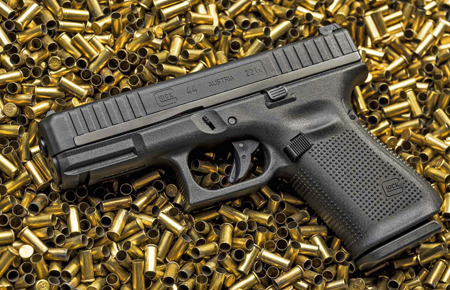
SEMI-AUTO COMPACT CARRY PISTOL:   THIS IS A SEMI-AUTO PISTOLS ONLY EXERCISE:   All Centre-Fire Semi-Auto Pistol in calibres .380 ACP (9mmK) or larger of which the barrel is not longer than 89mm (3.5 inch) and which,unloaded but with magazine inserted, fits in a Box 165mm long x 120mm high as described on the page you can Download HERE

FIREARMS PERMITTED: All Calibres of Centre-Fire Semi-Auto Pistol with only metallic sights s conforming to the definition of SEMI-AUTO COMPACT CARRY PISTOL

SHOOTING DISTANCE:  The shooting distance measured from the target to the front edge of the Shooter’s firing line is 5 metres.

COURSE OF FIRE:  Total of  5 shots at 5m  – shot on your own time, on one A4 target and scored out of  50 points.  Target can be downloaded from relevant registered firearm on member’s Natshoot Portal.

FIRING POSITION:  Standing position, Compact Carry Pistol held in one or both hands, with all portions of the shooter`s clothing, body and firearm clear of artificial support. 

CARRY GUN: Centre-Fire Handguns of calibre 7,65mm and larger, fitting in a Box [rectangle] of 190mm [L] x 140mm [H] (all types of sight configuration allowed)

The Carry Gun must fit the Box described on the page you can Download HERE

SHOOTING DISTANCE: The shooting distance measured from the target to the front edge of the Shooter’s firing line is 7 metres.

COURSE OF FIRE: Total of 5 shots at 7m – shot on your own time, on one target and scored out of 50 points.

FIRING POSITION: Standing position, Carry Gun held in one or both hands, with all portions of the shooter`s clothing, body and firearm clear of artificial support.

FIREARMS PERMITTED:

Revolvers issued and used in the Anglo-Boer War, the Great War (WW I) and WWII (pre-1950 Production) in the following calibres, i.e.: 38 Smith and Wesson, Colt 38 police, Webley 38, .45 ACP Smith & Wesson, Webley 455 (no barrel length restrictions – only iron open sights allowed).

Semi-Auto Pistols issued and used in the Anglo-Boer War, the Great War (WW I) and WWII (pre-1950 Production) in the following calibres, i.e.: 9mmP, 9mmS, .45 ACP (no barrel length restrictions – only iron open sights allowed).

SHOOTING DISTANCE: The shooting distance measured from the target to the front edge of the Shooter’s firing line is 7 metres.

COURSE OF FIRE: Total of 5 shots at 5m – shot on your own time, on one target and scored out of 50 points.

FIRING POSITION: Standing position, revolver held in one or both hands, with all portions of the shooter`s clothing, body and firearm clear of artificial support.

CENTRE-FIRE BOX-GUN: A Centre-Fire Box-Gun is a centre-fire handgun of which the whole frame, sights and grip, fits into a rectangle of 210mm [L] x 160mm [H] (5mm variance on both sides allowed).

The Centre-Fire Box-Gun must fit into the box described on the page you can Download HERE

FIREARMS PERMITTED: All Calibre Centre-Fire Handguns up to .50 Cal, which fit in the prescribed Rectangle (all types of sight configuration allowed)

SHOOTING DISTANCE: The shooting distance measured from the target to the front edge of the Shooter’s firing line is 8 metres.

COURSE OF FIRE: Total of 5 shots at 8m – shot on your own time, on one target and scored out of 50 points.

FIRING POSITION: Standing position, Box-Gun held in one or both hands, with all portions of the shooter`s clothing, body and firearm clear of artificial support

FIREARMS PERMITTED: Only Centre-Fire Handguns in Calibres up to .50 Cal (all types of sight configuration allowed)

SHOOTING DISTANCE: The shooting distance measured from the target to the front edge of the Shooter’s firing line is 10 metres.

COURSES OF FIRE: 5 shots at 10m shot on the relevant A4 Handgun Target, in your own time scored out of 50 points.

FIRING POSITION: Standing position, handgun held in one or both hands, with all portions of the shooter`s clothing, body and firearm clear of artificial support.

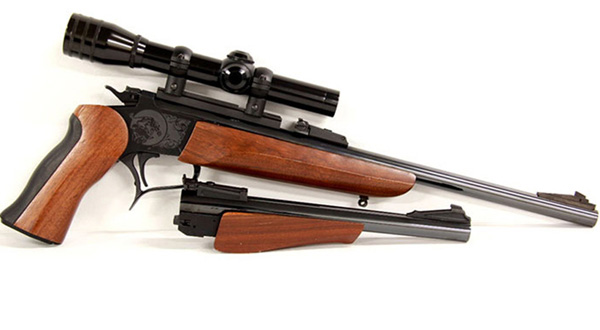
FIREARMS PERMITTED: All purpose built Centre-Fire Hunting Handguns in typical Centre-Fire Rifle Calibres (i.e. Thompson Contender) – OR minimum 4 inch barrelled Centre-Fire Revolvers in calibres from .38 Spec and larger (Only Pistol allowed: Desert Eagle in .44 Mag cal and larger) (al types of sight configurations allowed)

SHOOTING DISTANCE: The shooting distance measured from the target to the edge of the firing line closest to the shooter is 20 meters.

COURSES OF FIRE: 5 shots at 20m shot on one A4 target in your own time scored out of 50 points.

FIRING POSITION: Any shooting position is allowed – use of shooting sticks is allowed – or shooting from a bench over a rest.

VEST-GUN: A Centre-Fire Derringer & Vest-Gun is a centre-fire handgun of which the barrel is not longer than 3 inches and of which the whole frame, sights and grip, fits into a rectangle of 130mm x 100mm.

The Derringer & Vest-Gun must fit into the box described on the page you can Download HERE

FIREARMS PERMITTED: Only Centre-Fire Derringers and Centre-Fire Vest-Guns in calibres from .25 up to 7,65mm (.32) (all types of sight configuration allowed)

SHOOTING DISTANCE: The shooting distance measured from the target to the front edge of the Shooter’s firing line is 5 metres.

COURSE OF FIRE: Total of 5 shots at 5m – shot on your own time, on one target and scored out of 50 points.

FIRING POSITION: Standing position, Derringer or Vest-Gun held in one or both hands, with all portions of the shooter`s clothing, body and firearm clear of artificial support.

CENTRE-FIRE “SNUBBY” & POCKET PISTOL: All Centre-Fire Calibres Semi-Auto Pistol of which the barrel is not longer than 100mm and the grip below the trigger guard is not longer than 80mm OR all Centre-Fire Single/Double Action Revolvers of which the barrel is not longer than 90mm and the grip below the trigger guard is not longer than 80mm.

The Snubby / Pocket Pistol must fit the boxes described on the page you can Download HERE

FIREARMS PERMITTED: All Calibres of Centre-Fire Semi-Auto Pistols AND all Calibres of Singe/Double Action Centre-Fire Revolvers conforming to the definition of “Snubby” & Pocket Pistol – only fixed metallic sights allowed

SHOOTING DISTANCE: The shooting distance measured from the target to the front edge of the Shooter’s firing line is 5 metres.

COURSE OF FIRE: Total of 5 shots at 5m – shot on your own time, on one target and scored out of 50 points.

FIRING POSITION: Standing position, “Snubby” or Pocket Pistol held in one or both hands, with all portions of the shooter`s clothing, body and firearm clear of artificial support.

CARRY GUN: Centre-Fire Handguns of calibre 7,65mm and larger, fitting in a Box [rectangle] of 190mm [L] x 140mm [H] (all types of sight configuration allowed)

The Carry Gun must fit the Box described on the page you can Download HERE

SHOOTING DISTANCE: The shooting distance measured from the target to the front edge of the Shooter’s firing line is 7 metres.

COURSE OF FIRE: Total of 5 shots at 7m – shot on your own time, on one target and scored out of 50 points.

FIRING POSITION: Standing position, Carry Gun held in one or both hands, with all portions of the shooter`s clothing, body and firearm clear of artificial support.

FIREARMS PERMITTED:

Revolvers issued and used in the Anglo-Boer War, the Great War (WW I) and WWII (pre-1950 Production) in the following calibres, i.e.: 38 Smith and Wesson, Colt 38 police, Webley 38, .45 ACP Smith & Wesson, Webley 455 (no barrel length restrictions – only iron open sights allowed).

Semi-Auto Pistols issued and used in the Anglo-Boer War, the Great War (WW I) and WWII (pre-1950 Production) in the following calibres, i.e.: 9mmP, 9mmS, .45 ACP (no barrel length restrictions – only iron open sights allowed).

SHOOTING DISTANCE: The shooting distance measured from the target to the front edge of the Shooter’s firing line is 7 metres.

COURSE OF FIRE: Total of 5 shots at 5m – shot on your own time, on one target and scored out of 50 points.

FIRING POSITION: Standing position, revolver held in one or both hands, with all portions of the shooter`s clothing, body and firearm clear of artificial support.

CENTRE-FIRE BOX-GUN: A Centre-Fire Box-Gun is a centre-fire handgun of which the whole frame, sights and grip, fits into a rectangle of 210mm [L] x 160mm [H] (5mm variance on both sides allowed).

The Centre-Fire Box-Gun must fit into the box described on the page you can Download HERE

FIREARMS PERMITTED: All Calibre Centre-Fire Handguns up to .50 Cal, which fit in the prescribed Rectangle (all types of sight configuration allowed)

SHOOTING DISTANCE: The shooting distance measured from the target to the front edge of the Shooter’s firing line is 8 metres.

COURSE OF FIRE: Total of 5 shots at 8m – shot on your own time, on one target and scored out of 50 points.

FIRING POSITION: Standing position, Box-Gun held in one or both hands, with all portions of the shooter`s clothing, body and firearm clear of artificial support

FIREARMS PERMITTED: Only Centre-Fire Handguns in Calibres up to .50 Cal (all types of sight configuration allowed)

SHOOTING DISTANCE: The shooting distance measured from the target to the front edge of the Shooter’s firing line is 10 metres.

COURSES OF FIRE: 5 shots at 10m shot on the relevant A4 Handgun Target, in your own time scored out of 50 points.

FIRING POSITION: Standing position, handgun held in one or both hands, with all portions of the shooter`s clothing, body and firearm clear of artificial support.

FIREARMS PERMITTED: All purpose built Centre-Fire Hunting Handguns in typical Centre-Fire Rifle Calibres (i.e. Thompson Contender) – OR minimum 4 inch barrelled Centre-Fire Revolvers in calibres from .38 Spec and larger (Only Pistol allowed: Desert Eagle in .44 Mag cal and larger) (al types of sight configurations allowed)

SHOOTING DISTANCE: The shooting distance measured from the target to the edge of the firing line closest to the shooter is 20 meters.

COURSES OF FIRE: 5 shots at 20m shot on one A4 target in your own time scored out of 50 points.

FIRING POSITION: Any shooting position is allowed – use of shooting sticks is allowed – or shooting from a bench over a rest.

FIREARMS PERMITTED:  All calibres of Hunting Revolvers in handgun calibres with barrel length between 4 inches and 10 inches (any sight configuration)

SHOOTING DISTANCE:  The shooting distance measured from the target to the edge of the firing line closest to the shooter is 50 meters.

COURSE OF FIRE:   5 shots at 50m shot on one A4 target in your own time scored out of 50 points.

FIRING POSITION:  Any shooting position is allowed – use of shooting sticks is allowed – or shooting from a bench over a rest. 

This exercise is designed to shoot air rifles for the participant to achieve best and most consistent accuracy. The shooter shoots in the traditional manner from the prone position to the bench or with ‘crossed sticks’ or a single support of a similar manner.

FIREARMS PERMITTED: Only Springer, CO2, or PCP Air Rifles in the following Calibres may be used (.177 / 4.5mm ; .20 / 5mm ; .22 / 5,5mm ; .25 / 6,35mm)

SHOOTING DISTANCE: The shooting distance measured from the target to the edge of the firing line closest to the shooter is 25 metres.

COURSE OF FIRE: Strictly two shots on each of the 5 smaller circles on the A4 Target, shot @ 25m on your own time, and scored out of 100 points.

FIRING POSITION: Any shooting position is valid, with the exception that the butt of the gunstock may not be rested or supported on anything else than being in the shoulder.

FIREARMS PERMITTED: Only Semi-Automatic Pistols in .22S, .22LR & .22 Mag Calibres (al types of sight configurations allowed)

SHOOTING DISTANCE:  The shooting distance measured from the target to the edge of the firing line closest to the shooter is 10 meters.

COURSE OF FIRE:  10 shots at 10m in 30 seconds shot on the correct exercise specific target in your own time, and scored out of 100 points.

1.   Load 10 rounds in magazine;

2.   De-cock pistol on empty chamber with hammer down – magazine in pistol;

3.   On start signal, cock pistol and fire string of 10 shots at prescribed target @ 10 metres;

4.   Participants may use pre-loaded second magazine if first magazine does not take 10 rounds;

Note:  Time for exercise to be completed is 30 Seconds.  Timing starts when time keeper gives the command Start (Fire) and ends when the last shot has been fired.

FIRING POSITION:  Standing position, Rimfire Pistol held in one or both hands, with all portions of the shooter`s clothing, body and firearm clear of artificial support

FIREARMS PERMITTED: Only Semi-Automatic Pistols in calibres form 9mmP and larger (al types of sight configurations allowed)

SHOOTING DISTANCE:  The shooting distance measured from the target to the edge of the firing line closest to the shooter is 10 meters.

COURSES OF FIRE:  10 shots at 10m in 30 seconds shot on the correct exercise specific target in your own time, and scored out of 100 points.

–        Load 10 rounds in magazine;

–        De-cock pistol on empty chamber with hammer down – magazine in pistol;

–        On start signal, cock pistol and fire string of 10 shots at prescribed target @ 10 metres;

–        Participants may use pre-loaded second magazine if first magazine does not take 10 rounds;

Note:  Time for exercise to be completed is 30 Seconds.  Timing starts when time keeper gives the command Start (Fire) and ends when the last shot has been fired.

FIRING POSITION:  Standing position, handgun held in one or both hands, with all portions of the shooter`s clothing, body and firearm clear of artificial support

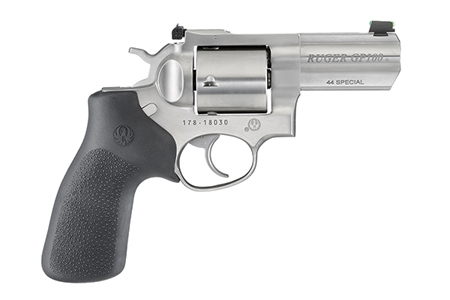
FIREARMS PERMITTED:  Revolvers in centre-fire calibres from .38 Special and Larger

SHOOTING DISTANCE:  The shooting distance measured from the target to the edge of the firing line closest to the shooter is 10 meters.

COURSES OF FIRE:   The exercise consists of firing two strings of 5 shots in 30 seconds at 10 metres on the same prescribed NHSA A4 target, with manually reloading of revolver in between shooting of two strings to score 100 points

DOUBLE OR SINGLE ACTION REVOLVERS:   no optical sights allowed – maximum barrel length 4,2 inches / 100mm:

–        Load 5 rounds in cylinder;

–        De-cock revolver and place empty cylinder under hammer (hammer down)

–        On start signal, fire first string of 5 shots at prescribed target @ 10 metres;

–        Manually load next 5 rounds in cylinder and fire second string of 5 shots at same prescribed target @ 10 metres;

Note:  Time for exercise to be completed is 30 seconds – speed loaders may be used – or a maximum of 5 rounds may be manually loaded at a time. 

Timing starts when time keeper gives the command Start (Fire) and ends when the last shot has been fired.

FIRING POSITION:  Standing position, handgun held in one or both hands, with all portions of the shooter`s clothing, body and firearm clear of artificial support

It is compulsory that a video of the exercise being shot shall be made for ratification if need arises. The video must be taken from behind the shooter in such a manner that the shooting position of the shooter is visible in relationship to the Steel Plates being shot at.

FIREARMS PERMITTED:  All Calibres and all actions of Handguns allowed.

SHOOTING DISTANCE:  The shooting distance measured from the target to the front edge of the Shooter’s firing line is 20 metres.

COURSES OF FIRE:  Stationary Falling Plate Exercise: 5 shots at 20m on your own time, shot on 5 individual falling steel plates set-up next to one another, and scored out of 50 points

SCORING:  10 points per dropped plate and 5 points per hit steel plate which did not fall over and 0 points per missed steel plate. 

Plates to be spaced with at least 200mm gap between them, and set up on a flat / horizontal surface.

FIRING POSITION:  Any firing positions allowed 

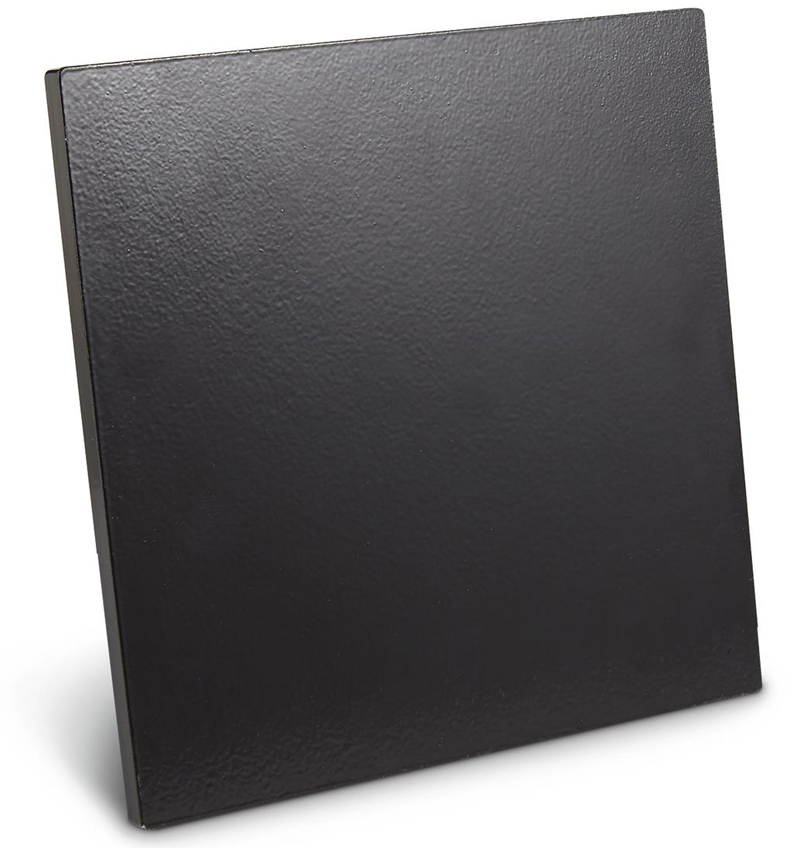
TARGETS:  Shall be of square profile of maximum 300mm (w) x 300mm (h)  x 10mm thick (b), with a support base extending at least 50mm in font of upright of plate. 5% variation in any of above measurements are allowed.

It is compulsory that a video of the exercise being shot shall be made for ratification if need arises. The video must be taken from behind the shooter in such a manner that the shooting position of the shooter is visible in relationship to Gong being shot at.

FIREARMS PERMITTED:  All Calibres and Actions of Handguns Allowed

SHOOTING DISTANCE:  The shooting distance measured from the target to the front edge of the Shooter’s firing line is 20 metres.

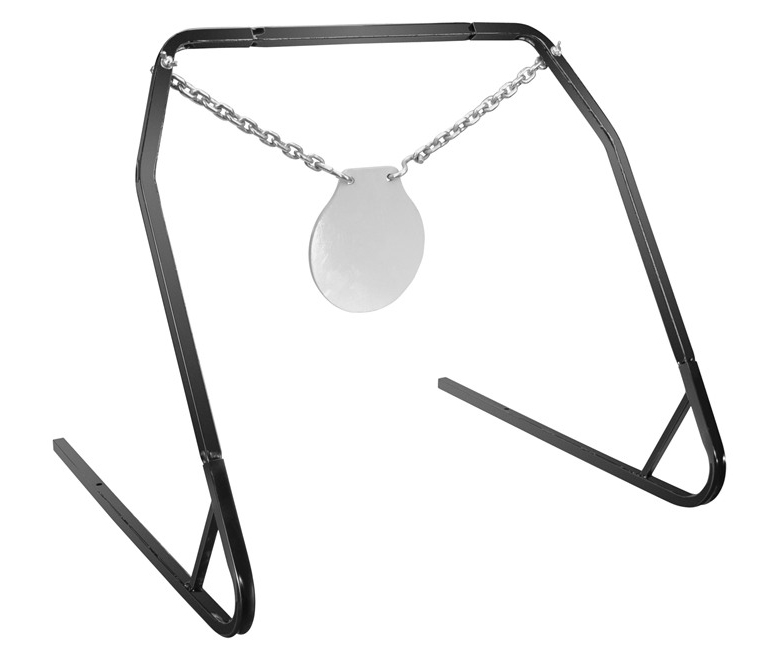
COURSES OF FIRE – Gong Exercise:  5 shots at 20m on one gong on your own time, shot on one swinging gong (or multiple swinging gongs) and scored out of 50 points – 10 points per hit and 0 points per missed shot (gong).

FIRING POSITION:  Any firing positions allowed

TARGETS:  Gongs: shall be of round profile with a maximum diameter of 300mm excluding the support brackets / chains etc. Smaller gongs may be used, but no adjustment in scoring or distance are allowed.

Black Powder Handguns

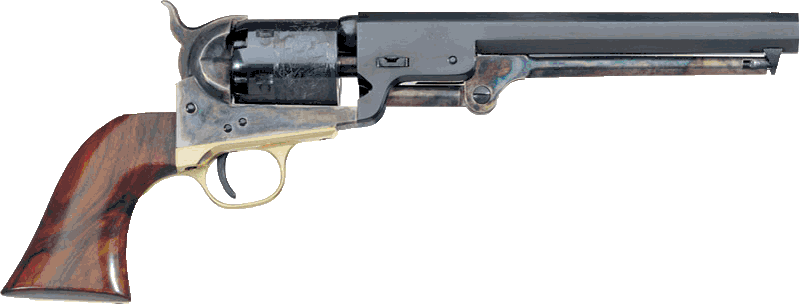
FIREARMS PERMITTED:  Either flint lock or cap lock pistols as well as cap revolvers in only the following calibres: .32, .36, .44, .45, .50, & .57

Only cast lead bullets, with or without gas checks, may be used;

Either smokeless or black powder loads may be used;

Optical or metallic sights may be used (mark sight type on target).

SHOOTING DISTANCE:  The shooting distance measured from the target to the front edge of the Shooter’s firing line is 15 metres.

COURSE OF FIRE:  5 shots at 15m shot on the relevant A4 NSA Black Powder Handgun Target, in your own time scored out of 50 points.

FIRING POSITION:  Free style (out of hand) standing, kneeling, sitting or prone position with no additional support whatsoever (i.e. bag) for handgun.  Shooter`s elbows may rest on ground, on knees or on bench-top

RIFLES

This exercise is designed to shoot air rifles for the participant to achieve best and most consistent accuracy. The shooter shoots in the traditional manner from the prone position to the bench or with ‘crossed sticks’ or a single support of a similar manner.

FIREARMS PERMITTED: Only Springer, CO2, or PCP Air Rifles in the following Calibres may be used (.177 / 4.5mm ; .20 / 5mm ; .22 / 5,5mm ; .25 / 6,35mm)

SHOOTING DISTANCE: The shooting distance measured from the target to the edge of the firing line closest to the shooter is 25 metres.

COURSE OF FIRE: Strictly two shots on each of the 5 smaller circles on the A4 Target, shot @ 25m on your own time, and scored out of 100 points.

FIRING POSITION: Any shooting position is valid, with the exception that the butt of the gunstock may not be rested or supported on anything else than being in the shoulder.

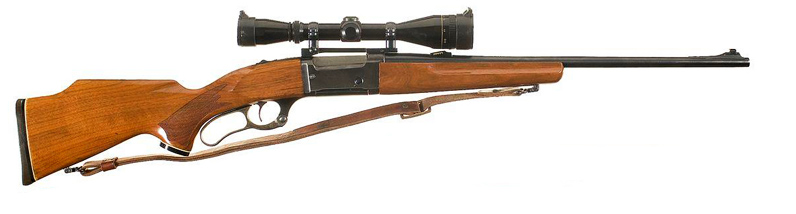
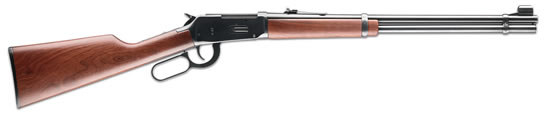
FIREARMS PERMITTED: All Standard Rimfire Rifles chambered for the standard .22 Mag, .22 Short, and .22LR Rimfire Calibre (Bolt / Pump / Lever Actions Rifles) (Open metallic sights or scopes are permitted)

SHOOTING DISTANCE: The shooting distance measured from the target to the front edge of the Shooter’s firing line is 25 metres.

COURSE OF FIRE: 5 shots at 25m shot on one A4 target in your own time scored out of 50 points.

FIRING POSITION: Any shooting position is valid; rifles may be rested on a bench, with the exception that rifle rests of which the front and the back are connected by a centre piece, may not be used.

FIREARMS PERMITTED: All Standard Rimfire Rifles chambered for the standard .22 Mag, .22LR and 22 Short Rimfire Calibre (Bolt / Pump / Lever Action) (Open metallic sights or scopes are permitted)

SHOOTING DISTANCE: The shooting distance measured from the target to the front edge of the Shooter’s firing line is 50 metres.

COURSE OF FIRE: 5 shots at 50m shot on one A4 target in your own time scored out of 50 points.

FIRING POSITION: Any shooting position is valid; rifles may be rested on a bench, with the exception that rifle rests of which the front and the back are connected by a centre piece, may not be used.

FIREARMS PERMITTED: All Standard Rimfire Rifles chambered for the standard .22 Short, .22LR and .22Mag Rimfire Calibres (Bolt / Pump / Lever Action) (Open metallic sights or scopes are permitted)

SHOOTING DISTANCE: The shooting distance measured from the target to the front edge of the Shooter’s firing line is 100 metres.

COURSE OF FIRE: 5 shots at 100m shot on one A4 target in your own time scored out of 50 points.

FIRING POSITION: Any shooting position is valid; rifles may be rested on a bench, with the exception that rifle rests of which the front and the back are connected by a centre piece, may not be used.

FIREARMS PERMITTED:  Only Rimfire Rifles chambered for the following calibres similar to .22 WMR, .17 WSM & .17 HMR  (Open metalic sights or scopes are permitted)

SHOOTING DISTANCE:  The shooting distance measured from the target to the front edge of the Shooter’s firing line is 50 metres.

COURSE OF FIRE:  5 shots at 50m shot on one A4 target in your own time scored out of 50 points.

FIRING POSITION:  Any shooting position is valid; rifles may be rested on a bench, with the exception that rifle rests of which the front and the back are connected by a centre piece, may not be used.

FIREARMS PERMITTED: 

Rimfire Rifles chambered for .22 WMR, .17 WSM & .17 HMR – any type of sight.

Centre-Fire Rifles chambered for  .17 Rem, .17 Hornet and similar calibres below .204 Ruger – any type of sight.

SHOOTING DISTANCE:  The shooting distance measured from the target to the front edge of the Shooter’s firing line is 100 metres.

COURSES OF FIRE:  5 shots at 50m – shot in each of the five circles on one A4 page in your own time scored out of 50 points.

FIRING POSITION:  Any shooting position is valid; rifles may be rested on a bench, with the exception that rifle rests of which the front and the back are connected by a centre piece, may not be used.

FIREARMS PERMITTED:  All Standard Double Barrelled Centre-Fire Rifles OR Bolt Action Centre-Fire Riles OR Falling Block Centre-Fire Rifles in Caibres from 9.3×62 and larger up to 700 NE

SHOOTING DISTANCE:  The shooting distance measured from the target to the front edge of the Shooter’s firing line is 25 metres.

COURSE OF FIRE:   4 shots at 25m shot on one A4 target in your own time scored out of 40 points.

FIRING POSITION:  Standing position – Shooting stick and/or slings may be used.

This exercise is designed to shoot historic centre-fire rifles for the participant to achieve the best and most consistent accuracy.  The shooter shoots in the traditional manner from the prone position, from the bench or with “crossed sticks” or with a single support of a similar design.

HISTORIC RIFLES

Any centre-fire calibre of which the specific rifle with which the target is shot, is manufactured before 1950, or is a proven centre-fire military bolt action rifle, or falling block or with lever action, which could have been manufactured after 1950, but excludes all specific sniper rifles manufactured after 1950.

Any centre-fire calibre of any rifle design (pre-1900 reproduction) with an external hammer is also allowed, if build to pre-1900 specification and fitted with correct period metallic sights.

Only open metallic sights are allowed.

THE EXERCISE

FIREARMS ALLOWED: 

Any centre-fire calibre of which the specific rifle with which the target is shot, is proven to be produced before 1950 (proof of year of production of rifle must  accompany all shot target scores logged on your personal Natshoot web page).

Any centre-fire calibre of any rifle design (pre-1900 reproduction) with an external hammer is allowed, if build to pre-1900 specification and fitted with correct period metallic sights.

Any centre-fire calibre bolt action military rifle

Only open sights are allowed.

SHOOTING DISTANCE:  The shooting distance measured from the target to the edge of the firing line closest to the shooter is 50 metres.

COURSE OF FIRE:   3 shots at 50m shot on one A4 target in your own time scored out of 30 points.

FIRING POSITION:  Any shooting position is valid; rifles may be rested on a bench, with the exception that rifle rests of which the front and the back are connected by a centre piece, may not be used.

FIREARMS PERMITTED: All Standard Small-Bore Centre-fire Rifles, in calibres smaller than .22 Hornet, i.e. .17 REM, .17 Hornet & ,204 Ruger calibres

SHOOTING DISTANCE: The shooting distance measured from the target to the front edge of the Shooter’s firing line is 100 metres.

COURSE OF FIRE: 5 shots at 100m shot on one A4 target in your own time scored out of 50 points.

FIRING POSITION: Any shooting position is valid; rifles may be rested on a bench, with the exception that rifle rests of which the front and the back are connected by a centre piece, may not be used.

FIREARMS PERMITTED: All Standard Centre-Fire Rifles chambered for calibres up to .50 Cal in any kind of action

SHOOTING DISTANCE: The shooting distance measured from the target to the front edge of the Shooter’s firing line is 100 metres.

COURSE OF FIRE: 5 shots at 100m shot on one A4 target in your own time scored out of 50 points.

FIRING POSITION: Any shooting position is valid; rifles may be rested on a bench, with the exception that rifle rests of which the front and the back are connected by a centre piece, may not be used.

FIREARMS PERMITTED: All Actions in Standard Centre-Fire Rifles chambered for calibres up to .50 Cal

SHOOTING DISTANCE: The shooting distance measured from the target to the front edge of the Shooter’s firing line is 200 metres.

COURSE OF FIRE: 5 shots at 200m shot on one A4 target in your own time scored out of 50 points.

FIRING POSITION: Any shooting position is valid, rifles may be rested on a bench with the front rested on a bi-pod or similar device, with exception that rifle rests of which the front and the back are connected by a centre piece, may not be used.

FIREARMS PERMITTED: All Standard Centre-Fire Rifles chambered for calibres up to .50 Cal any action allowed

SHOOTING DISTANCE: The shooting distance measured from the target to the front edge of the Shooter’s firing line is 300 metres.

COURSE OF FIRE: 5 shots at 300m shot on one A4 target in your own time scored out of 50 points.

FIRING POSITION: Any shooting position is valid; rifles may be rested on a bench, with the exception that rifle rests of which the front and the back are connected by a centre piece, may not be used.

FIREARMS PERMITTED:  All Rifle Calibres

SHOOTING DISTANCE:  The shooting distance measured from the target to the edge of the firing line closest to the shooter is 100m or 200m or 300m or 400m or 500m or 600m depending on the distance the shot chooses to complete the exercise

COURSES OF FIRE – LONG DISTANCE STATIONARY STEEL PLATE EXERCISE: 5 shots in your own time, shot on 5 individual falling steel plates at the chosen distance, set-up next to one another, and scored out of 50 points

SCORING – 10 points per hit per steel plate and 0 points per missed steel plate.  Plates to be spaced with at least 200mm gap between them, and set up on a flat / horizontal surface.

TARGETS:  Stationary Falling plates: shall be of square profile of maximum 300mm (w) x 300mm (h)  x 10mm thick (b), with a support base extending at least 50mm in font of upright of plate. 5% variation in any of above measurements are allowed. 

FIRING POSITION: Any shooting position is valid; rifles may be rested on a bench, with the exception that rifle rests of which the front and the back are connected by a centre piece, may not be used.

FIREARMS PERMITTED:  All Rifle Calibres

SHOOTING DISTANCE:  The shooting distance measured from the target to the edge of the firing line closest to the shooter is 100m or 200m or 300m or 400m or 500m or 600m depending on the distance the shot chooses to complete the exercise

COURSES OF FIRE – HANGING GONG EXERCISE:  5 shots in your own time, shot on one swinging gong (or multiple swinging gongs) set at the chosen distance between 100m and 600m, and scored out of 50 points – 10 points per hit and 0 points per missed shot.

TARGETS:  Hanging Gongs: shall be of round profile with a maximum diameter of 300mm excluding the support brackets / chains etc. Smaller gongs may be used, but no adjustment in scoring or distance are allowed.

FIRING POSITION: Any shooting position is valid; rifles may be rested on a bench, with the exception that rifle rests of which the front and the back are connected by a centre piece, may not be used.

LEVER ACTION RIFLES

This exercise is designed to shoot .22 Rimfire Lever Action Rifles and for the participant to achieve best and most consistent accuracy. The shooter shoots in the traditional manner from the prone position to the bench or with ‘crossed sticks’ or a single support of a similar manner

FIREARMS PERMITTED: All Standard Rimfire Rifles chambered for the standard 22LR and 22 Short Rimfire Calibre (Bolt / Pump / Lever Action) (Open metallic sights or scopes are permitted)

SHOOTING DISTANCE: The shooting distance measured from the target to the front edge of the Shooter’s firing line is 50 metres.

COURSE OF FIRE: 5 shots at 50m shot on one A4 target in your own time scored out of 50 points.

FIRING POSITION: Any shooting position is valid; rifles may be rested on a bench, with the exception that rifle rests of which the front and the back are connected by a centre piece, may not be used.

This exercise is designed to shoot centre-fire pistol calibre Lever Action Rifles and for the participant to achieve best and most consistent accuracy. The shooter shoots in the traditional manner from the prone position to the bench or with ‘crossed sticks’ or a single support of a similar manner

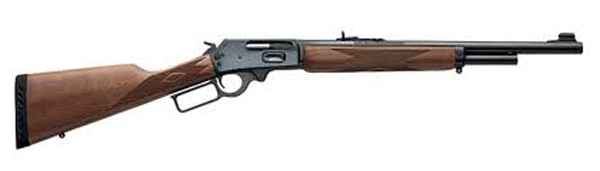
FIREARMS ALLOWED:  All Typical Centre-fire Pistol Calibre Lever Action Rifles

SHOOTING DISTANCE: The shooting distance measured from the target to the front edge of the Shooter’s firing line is 50 metres.

COURSE OF FIRE: 5 shots at 50m shot on one A4 target in your own time scored out of 50 points.

FIRING POSITION: Any shooting position is valid; rifles may be rested on a bench, with the exception that rifle rests of which the front and the back are connected by a centre piece, may not be used.

This exercise is designed to shoot centre-fire calibre Lever Action Rifles and for the participant to achieve best and most consistent accuracy. The shooter shoots in the traditional manner from the prone position to the bench or with ‘crossed sticks’ or a single support of a similar manner

FIREARMS ALLOWED: Only Center-Fire Rifle Calibre Lever Action Rifles

SHOOTING DISTANCE: The shooting distance measured from the target to the edge of the firing line closest to the shooter is 50 metres.

COURSE OF FIRE: 5 shots at 50m shot on one A4 target in your own time scored out of 50 points.

FIRING POSITION: Any shooting position is valid; rifles may be rested on a bench, with the exception that rifle rests of which the front and the back are connected by a centre piece, may not be used.

This exercise is designed to shoot medium-bore USA Rimmed calibres centre-fire calibre Lever Action Rifles and for the participant to achieve best and most consistent accuracy. The shooter shoots in the traditional manner from the prone position to the bench or with ‘crossed sticks’ or a single support of a similar manner

FIREARMS ALLOWED – MEDIUM BORE USA RIMMED CALIBRE RIFLES:
Members may participate in this exercise with lever actions and with falling block single shot rifles.

Only rimmed straight taper or rimmed bottleneck cartridges with a minimum calibre of ,300 and maximum calibre of ,360 and with minimum case length of 2.00” (inches) or larger, may be used. Suggested cartridges include: .30-30 Win. / .30-40 / .32-40 / and .32 Win. Spl.

Only cast lead bullets, with or without gas checks, may be used;

Either smokeless or black powder cartridge loads may be used;

Optical or metallic sights may be used.

SHOOTING DISTANCE: The shooting distance measured from the target to the edge of the firing line closest to the shooter is 50 metres.

COURSE OF FIRE: 5 shots at 50m shot on an A4 Target in your own time, and scored out of 50 points.

FIRING POSITION: Free style (out of hand) standing, kneeling, sitting or prone position with no additional support whatsoever (i.e. bag or bi-pod) for rifle. Shooter`s elbows may rest on ground, on knees or on bench-top

This exercise is designed to shoot historically correct rifles with the correct vintage cartridge styles at representative ranges suitable to the rifles design, sights and ammunition capabilities. Being vintage style ammunition, it requires the shooter’s skill to reload custom prepared ammunition with hand cast lead bullets and custom loads to achieve best and most consistent accuracy. The shooter shoots in the traditional manner with ‘crossed sticks’ or a single support of a similar manner

FIREARMS ALLOWED: Members may participate in the Classic Western/Big Bore rimmed cartridge exercise with lever action rifles (or falling block single shot rifles).

Only rimmed straight taper cartridges with a minimum bore of 0.375 or greater and with cartridge case of min. 2.00” (inches) or larger, may be used in the following calibres: .375 win / .38-55 / .40-65 / .405Win / /45-70 / all Sharps .380+ / Martini-Henry / .444 Marlin.

Only cast lead bullets, with or without gas checks, may be used;

Either smokeless or black powder cartridge loads may be used;

Optical or metallic open sights may be used

SHOOTING DISTANCE: The shooting distance measured from the target to the edge of the firing line closest to the shooter is 50 metres.

COURSE OF FIRE: 5 shots at 50m shot on an A4 Target in your own time, and scored out of 50 points.

FIRING POSITION: Any shooting position is valid; rifles may be rested on a bench, with the exception that rifle rests of which the front and the back are connected by a centre piece, may not be used.

BLACK POWDER RIFLES

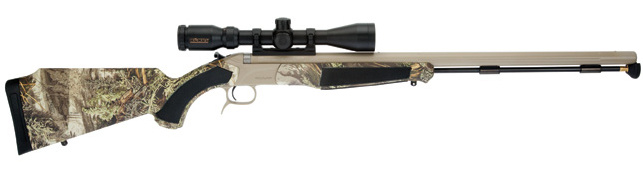
FIREARMS PERMITTED:   Any flint-lock, cap-lock or in line Black Powder rifle in calibres between .32 and .75 

Only cast lead bullets, with or without gas checks, may be used;

Either smokeless or black powder cartridge loads may be used;

Optical or metallic sights may be used (mark sight type on target).

SHOOTING DISTANCE:  The shooting distance measured from the target to the edge of the firing line closest to the shooter is 50 metres.

COURSE OF FIRE:  5 Shots at 50m shot on one A4 Target in your own time, and scored out of 50 points.

FIRING POSITION:  Any shooting position is valid; rifles may be rested on a bench, with the exception that rifle rests of which the front and the back are connected by a centre piece, may not be used.

SEMI-AUTO RIFLES

It is compulsory that a video of the exercise being shot shall be made for ratification if need arises. The video must be taken from behind the shooter in such a manner that the shooting position of the shooter is visible in relationship to target A and target B. The video must also capture the shooting time used for both targets of this exercise.

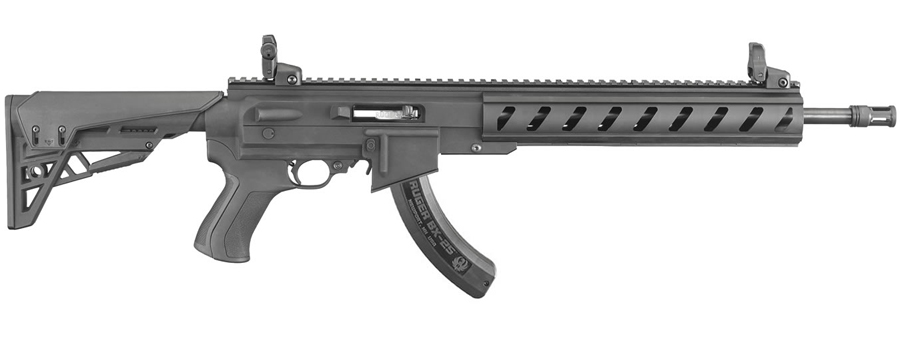
FIREARMS ALLOWED:  Only .22 Rimfire Calibre in Semi-Auto Rifles or in Pistol Carbine Conversion Kits (i.e. 22LR Rimfire)

Exercise shot on two Targets against time

A-Target – Rapid fire: Firing of 10 shots at 25 metres – timed string (no time limits)  

B-Target – Rapid fire: Firing of 10 shots at 25 metres – timed string (no time limits)      

SCORING:

Participants must shoot 10 shots at each target

Shots count according to the number of the scoring ring they are fired into.  Cut shots counts the higher number – a cut shot is a shot of which the hole of the shot (not its leaded edge) cuts the outside line of any scoring ring

TIME PENALTIES: All shots outside of scoring rings but still on the edge of the paper the target is printed upon, or which are totally off the target (A or B), represents a time penalty of + 3,00 seconds / per shot for that specific target.

Scoring the A-Target:  Score is calculated as the number of points scored with the 10 shot string – that total is then divided by the number of seconds (two decimals) it took to shoot the 10 shots (Original time plus time penalties) = the Mark for the A-Target (i.e. 70 points divided by 30,00 seconds = a Mark of 2,33)

Scoring the B-Target:  Score is calculated as the number of points scored with the 10 shot string – that total is then divided by the number of seconds (two decimals) it took to shoot the 10 shots (Original time plus time penalties) = the Mark for the A-Target (i.e. 70 points divided by 22,00 seconds = a Mark of 3,18)

Example of scoring: Mark for A-Target is 2,33 + Mark for B-Target is 3,18 – add Mark for A-Target and Mark for B-Target = Exercise Mark of 5,52

The score achieved for each Target is entered onto the Score Sheet, which must accompany the Targets at submission of scores on the participant`s Personal Natshoot Profile Page.

___________________

TIME KEEPING:  Time keeping may be done with a stopwatch and by any person who is able and willing to assist members with the exercise and who signs the targets and the score sheet on the relevant space provided with inclusion of his/her ID number and cell phone number.

Timing starts when time keeper says Start (fire) and ends when the last shot has been fired.

___________________

SIGHT CONFIGURATION:  Any sight configuration may be used (open iron sights or any optical or laser sight).

___________________

FIRING POSITIONS:  The standing position without support is mandatory for whole exercise – gun strap may be used.

It is compulsory that a video of the exercise being shot shall be made for ratification if need arises. The video must be taken from behind the shooter in such a manner that the shooting position of the shooter is visible in relationship to target A and target B. The video must also capture the shooting time used for both targets of this exercise.

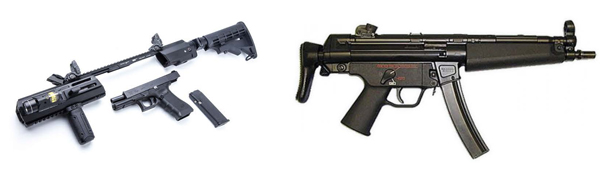
FIREARMS ALLOWED:  Only Pistol Calibres in Semi-Auto Rifles or in Pistol Carbine Conversion Kits (i.e. 7,65×17; 9mmP; .357 Mag; .40 S&W; .45 ACP)

Exercise shot on two Targets against time

A-Target – Rapid fire: Firing of 10 shots at 25 metres – timed string (no time limits)  

B-Target – Rapid fire: Firing of 10 shots at 25 metres – timed string (no time limits)      

SCORING:

Participants must shoot 10 shots at each target

Shots count according to the number of the scoring ring they are fired into.  Cut shots counts the higher number – a cut shot is a shot of which the hole of the shot (not its leaded edge) cuts the outside line of any scoring ring

TIME PENALTIES: All shots outside of scoring rings but still on the edge of the paper the target is printed upon, or which are totally off the target (A or B), represents a time penalty of + 3,00 seconds / per shot for that specific target.

Scoring the A-Target:  Score is calculated as the number of points scored with the 10 shot string – that total is then divided by the number of seconds (two decimals) it took to shoot the 10 shots (Original time plus time penalties) = the Mark for the A-Target (i.e. 70 points divided by 30,00 seconds = a Mark of 2,33)

Scoring the B-Target:  Score is calculated as the number of points scored with the 10 shot string – that total is then divided by the number of seconds (two decimals) it took to shoot the 10 shots (Original time plus time penalties) = the Mark for the A-Target (i.e. 70 points divided by 22,00 seconds = a Mark of 3,18)

Example of scoring: Mark for A-Target is 2,33 + Mark for B-Target is 3,18 – add Mark for A-Target and Mark for B-Target = Exercise Mark of 5,52

The score achieved for each Target is entered onto the Score Sheet, which must accompany the Targets at submission of scores on the participant`s Personal Natshoot Profile Page.

___________________

TIME KEEPING:  Time keeping may be done with a stopwatch and by any person who is able and willing to assist members with the exercise and who signs the targets and the score sheet on the relevant space provided with inclusion of his/her ID number and cell phone number.

Timing starts when time keeper says Start (fire) and ends when the last shot has been fired.

___________________

SIGHT CONFIGURATION:  Any sight configuration may be used (open iron sights or any optical or laser sight).

___________________

FIRING POSITIONS:  The standing position withnno support is mandatory for all semi-auto exercises – gun straps may be used.

It is compulsory that a video of the exercise being shot shall be made for ratification if need arises. The video must be taken from behind the shooter in such a manner that the shooting position of the shooter is visible in relationship to target A and target B. The video must also capture the shooting time used for both targets of this exercise.

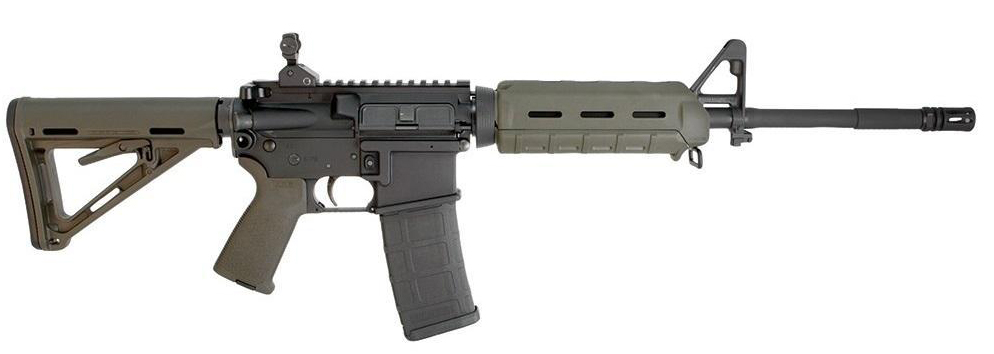
FIREARMS ALLOWED:  Only Centre-fire Semi-auto Rifle/Carbines below so-called .30 calibres – (i.e. 5.45 x 39mm, .223 Rem. = 5.56, .243 Win., .270 Win., .270 WSM, 6.8mm Rem. SPC, 7mm WSM) (7mm = 0.275591 inch)

Exercise shot on two Targets against time

A-Target – Rapid fire: 10 shots at 25 metres – timed string (no time limits)  

B-Target – Rapid fire: 10 shots at 50 metres – timed string (no time limits)      

SCORING:

Participants must shoot 10 shots at each target

Shots count according to the number of the scoring ring they are fired into.  Cut shots counts the higher number – a cut shot is a shot of which the hole of the shot (not its leaded edge) cuts the outside line of any scoring ring.

TIME PENALTIES: All shots outside of scoring rings but still on the edge of the paper the target is printed upon, or which are totally off the target (A or B), represents a time penalty of + 3,00 seconds / per shot for that specific target.

Scoring the A-Target:  Score is calculated as the number of points scored with the 10 shot string – that total is then divided by the number of seconds (two decimals) it took to shoot the 10 shots (Original time plus time penalties) = the Mark for the A-Target (i.e. 70 points divided by 30,00 seconds = a Mark of 2,33)

Scoring the B-Target:  Score is calculated as the number of points scored with the 10 shot string – that total is then divided by the number of seconds (two decimals) it took to shoot the 10 shots (Original time plus time penalties) = the Mark for the B-Target (i.e. 70 points divided by 22,00 seconds = a Mark of 3,18)

Example of scoring: Mark for A-Target is 2,33 + Mark for B-Target is 3,18 – add Mark for A-Target and Mark for B-Target = Exercise Mark of 5,52

The score achieved for each Target is entered onto the Score Sheet, which must accompany the Targets at submission of scores on the participant`s Personal Natshoot Profile Page.

___________________

TIME KEEPING:  Time keeping may be done with a stopwatch and by any person who is able and willing to assist members with the exercise and who signs the targets and the score sheet on the relevant space provided with inclusion of his/her ID number and cell phone number.

Timing starts when time keeper says Start (fire) and ends when the last shot has been fired.

___________________

SIGHT CONFIGURATION:  Any sight configuration may be used (open or scoped sights).

___________________

FIRING POSITIONS:  The standing position with no support is mandatory – gun strap may be used.

It is compulsory that a video of the exercise being shot shall be made for ratification if need arises. The video must be taken from behind the shooter in such a manner that the shooting position of the shooter is visible in relationship to target A and target B. The video must also capture the shooting time used for both targets of this exercise.

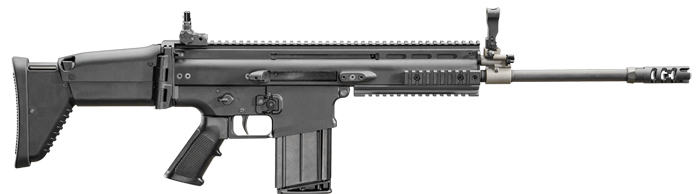
FIREARMS ALLOWED:  Only Centre-fire Semi-auto Rifle/Carbines FROM AND ABOVE the so-called .30 calibres (i.e. .300 Win. Mag., .300 WSM, 7.62 x 39mm, .308 Win. = 7.62x51mm, .30/06, .35 Whelen)

Exercise shot on two Targets against time

A-Target – Rapid fire: 10 shots at 25 metres – timed string (no time limits)  

B-Target – Rapid fire: 10 shots at 50 metres – timed string (no time limits)      

SCORING:

Participants must shoot 10 shots at each target

Shots count according to the number of the scoring ring they are fired into.  Cut shots counts the higher number – a cut shot is a shot of which the hole of the shot (not its leaded edge) cuts the outside line of any scoring ring

TIME PENALTIES: All shots outside of scoring rings but still on the edge of the paper the target is printed upon, or which are totally off the target (A or B), represents a time penalty of + 3,00 seconds / per shot for that specific target.

Scoring the A-Target:  Score is calculated as the number of points scored with the 10 shot string – that total is then divided by the number of seconds (two decimals) it took to shoot the 10 shots (Original time plus time penalties) = the Mark for the A-Target (i.e. 70 points divided by 30,00 seconds = a Mark of 2,33)

Scoring the B-Target:  Score is calculated as the number of points scored with the 10 shot string – that total is then divided by the number of seconds (two decimals) it took to shoot the 10 shots (Original time plus time penalties) = the Mark for the A-Target (i.e. 70 points divided by 22,00 seconds = a Mark of 3,18)

Example of scoring: Mark for A-Target is 2,33 + Mark for B-Target is 3,18 – add Mark for A-Target and Mark for B-Target = Exercise Mark of 5,52

The score achieved for each Target is entered onto the Score Sheet, which must accompany the Targets at submission of scores on the participant`s Personal Natshoot Profile Page.

___________________

TIME KEEPING:  Time keeping may be done with a stopwatch and by any person who is able and willing to assist members with the exercise and who signs the targets and the score sheet on the relevant space provided with inclusion of his/her ID number and cell phone number.

Timing starts when time keeper says Start (fire) and ends when the last shot has been fired.

___________________

SIGHT CONFIGURATION:  Any sight configuration may be used (open or scoped sights).

___________________

FIRING POSITIONS:  The standing position is mandatory for all exercises – gun straps may be used.

SHOTGUNS

FIREARMS ALLOWED: All double barrelled shotguns in bores (calibres) from 410, 12Ga, 16Ga, 18Ga, and 20Ga.

Semi-automatic and pump action shotguns allowed if ranges allow them – Single barrelled shotguns specific for ATA Trap are allowed where ranges allow such shotguns

COURSES OF FIRE

COMPAK – Any Compak range set-up consisting of one round of, or multiples of rounds of, 25 clays.

SKEET (NSSA Skeet)

All variants of Skeet consisting of one round of, or multiples of rounds of, 25 clays.

ATA & Olympic TRAP

All forms of Trap disciplines consisting of one round of, or multiples of rounds of, 25 clays.

DTL Trap

Consisting of one round of, or multiples of rounds of, 25 clays counting 75 points.

SPORTING CLAYS (FITASC Sporting, English Sporting & English Doubles)

All variants of Sporting Clays consisting of one round of, or multiples of rounds of, 25 clays.

UNIVERSAL TRENCH: All forms of Trench disciplines consisting of one round of, or multiples of rounds of, 25 clays.

FIRING POSITION: It is NHSA policy that participants conform to standard acceptable shotgunning stances and that shotguns will be handled with the utmost of care and safety in mind – conform to range set standards at all times (eye and ear protection is mandatory).

TARGETS: A normal round of any of the above mentioned clay target shooting disciplines, consisting of a combination of normal clays, midi clays, mini clays, super mini clays, battue clays, or rabbit clays (thrown with a hand trap or with an electric operated trap machine).

Skeet, (NSSA Skeet) (per round of 25 clays);

Sporting Clays (FITASC Sporting, English Sporting & English Doubles) (per round of 25 clays);

Trap (ATA Trap or DTL Trap & Olympic Trap) (per round of 25 clays), and;

Universal Trench (all formats of trench) (per round of 25 clays).

FIREARMS PERMITTED:   All Action Shotguns in Bores 10Ga, 11Ga, 12Ga, 16Ga, 18Ga, 20Ga & 28Ga & 410 Calibre

SHOT SIZE: Strictly only #3 shot to #8 shot

SHOOTING DISTANCE:  The shooting distance measured from the target to the edge of the firing line closest to the shooter is 20 metres.

COURSES OF FIRE (Stationary Falling Plate only):  

The exercise consists of firing 10 shots at 20m on 10 individual falling steel plates, set-up next to one another.

SCORING:  Each of the 10 steel plates hit, scores 10 points – Each of the 10 steel plates missed, scores 0 points – Score for exercise is calculated out of 100 points.

FIRING POSITION:   The standing position is mandatory – no gun-slings allowed.

TARGETS:  Stationary Falling plates: shall be of square profile of maximum 300m (w) x 300mm (h)  x 10mm thick (b), with a support base extending at least 50mm in font of upright of plate. 5% variation in any of above measurements are allowed.

It is compulsory that a video of the exercise being shot shall be made for ratification if need arises. The video must be taken from behind the shooter in such a manner that the shooting position of the shooter is visible in relationship to falling plates being shot at.

FIREARMS PERMITTED:   All Actions Shotguns in bores 110Ga, 11Ga, 12Ga, 16Ga, 18Ga, 20Ga, 28Ga & 410 calibre

SHOT SIZE: Strictly only #3 shot to #8 shot

SHOOTING DISTANCE:  The shooting distance measured from the target to the edge of the firing line closest to the shooter is 20 metres.

COURSES OF FIRE (Hanging Gong only):  The exercise consists of firing 10 shots at 20m on 1 or more hanging gongs.

SCORING:  Each Gong hit, scores 10 points – Each Gong missed, scores 0 points – Score for exercise is calculated out of 100 points.

FIRING POSITION:   The standing position is mandatory – no gun-slings allowed.

TIME LIMIT:   The exercise must be completed in 60 seconds

TARGETS:  Hanging Gongs: shall be of round profile with a maximum diameter of 300mm excluding the support brackets / chains etc.  Smaller gongs may be used, but no adjustment in scoring or distance are allowed. 

It is compulsory that a video of the exercise being shot shall be made for ratification if need arises. The video must be taken from behind the shooter in such a manner that the shooting position of the shooter is visible in relationship to Gong being shot at.

Recognised Sport Shooting Events

SPORT SHOOTING TARGET SHOOTING - ACTIVITY PRACTICE TARGETS

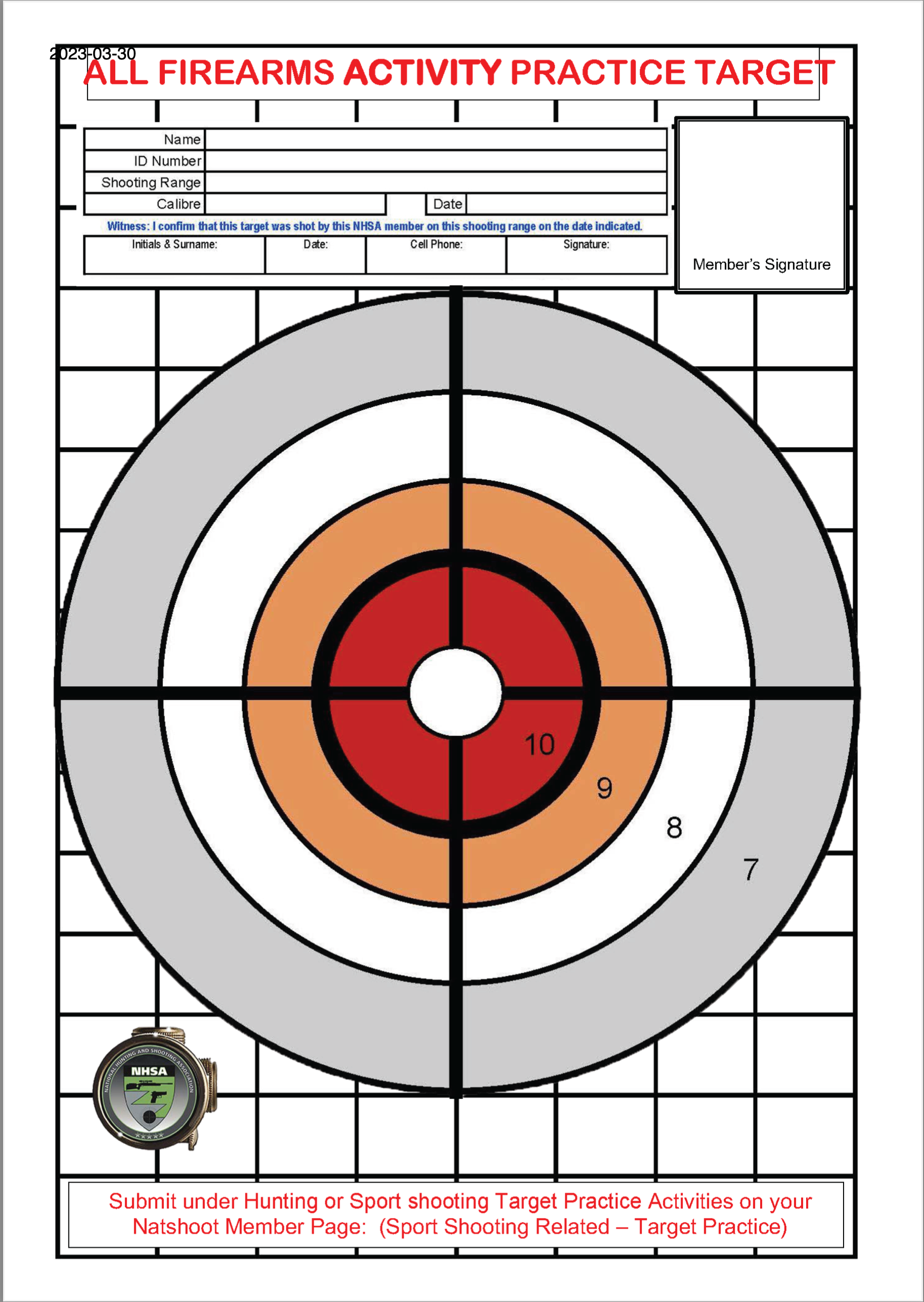
Accepted appropriate dedicated activity: ONLY PRACTICE TARGETS TO BE ENTERED HERE. Strictly only sport shooting activity practice target shooting to better one’s skills. Scores of NHSA Postal Target Shooting must be entered under Scores on a member’s Personal Natshoot Member Profile under Scores.

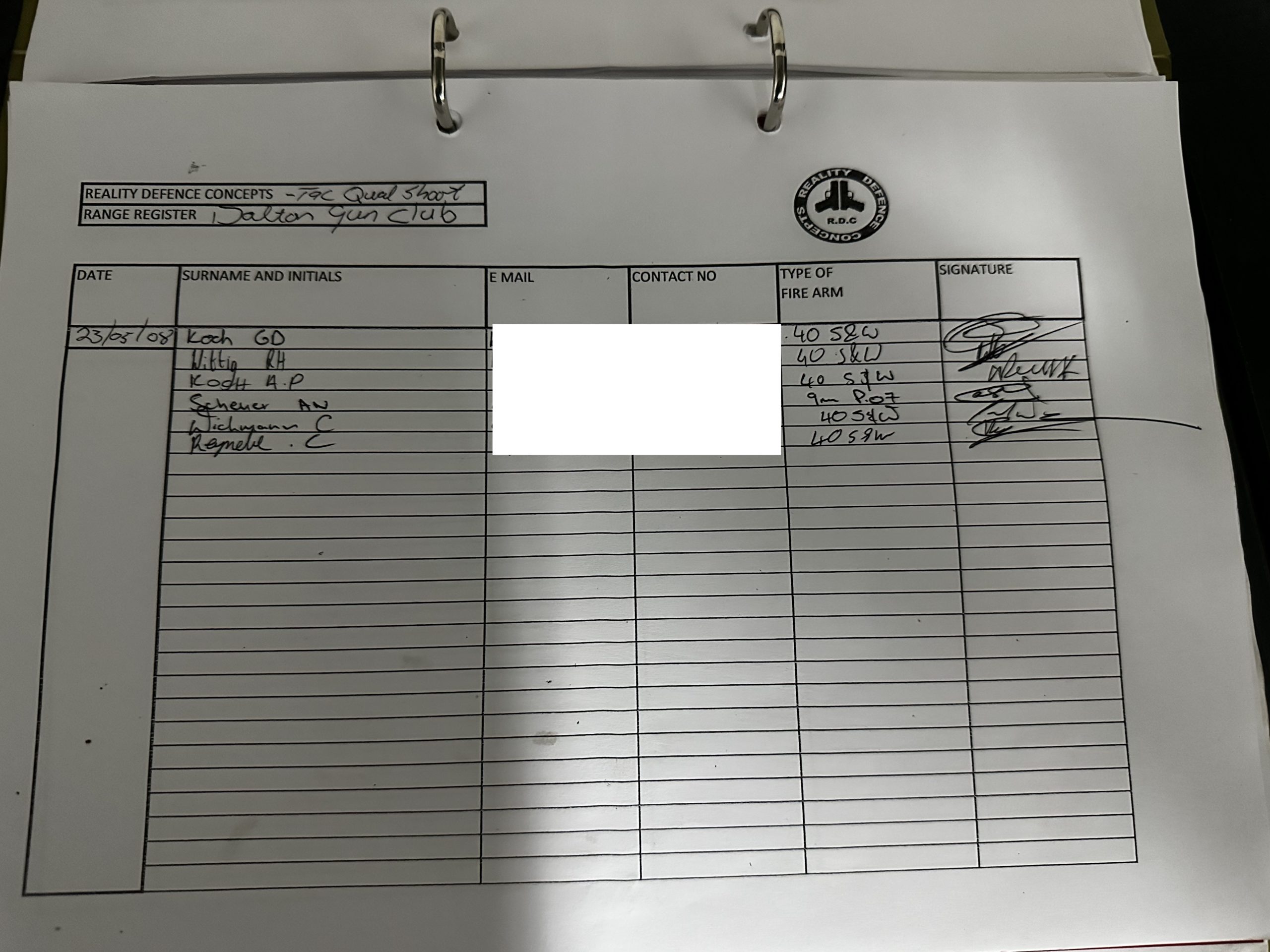
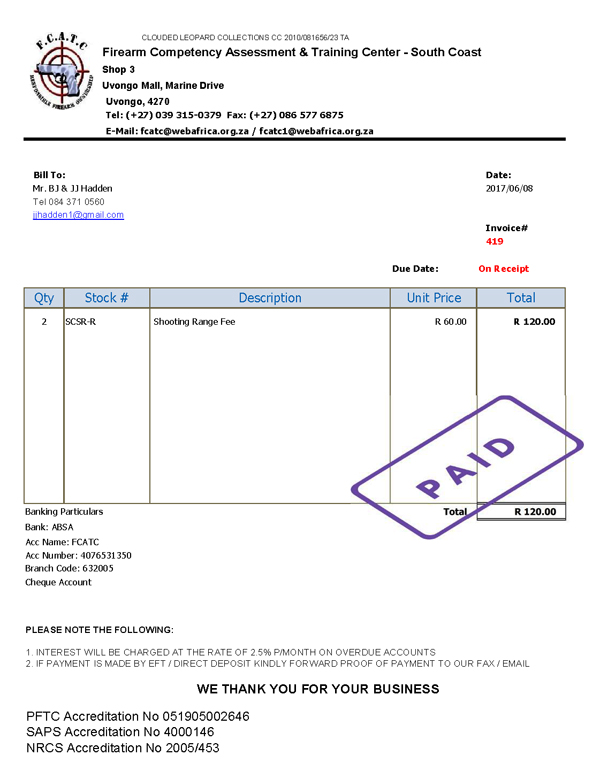
Confirmation documentation: Only copies of practice targets are acceptable as confirmation documents for entry of shooting practice targets as activities. Members may use any of the NHSA activity practice target or any other target they prefer to practice their shooting skills. At submission, all activity practice targets must please have the Initials and Surname of member on, the date the target was shot on, the calibre and type of firearm used, the name of the shooting range plus stamp if available, but definitely a witness signature which includes the cell phone number of the witness (if you can you may also include a copy of the receipt you received at the range on that day). Correct confirmation documentation is important for appropriate evaluation purposes.

NHSA Postal Targets may not be used as Activity Practice Targets

Members are requested to keep originals of electronically submitted practice targets for at least three months after submission, and to ascertain that they keep documentation which can serve as confirmation that a practice target was shot on a specific range on a specific day for verification purposes by the NHSA office, should that be required (i.e. receipt, range stamp with the date on target, photo of range register of the day, day shooter sticker issued at clubs, etc.).

Note 1: target practice is to be conducted in a formal manner on an accepted shooting range or on an NHSA Exco approved farm range.

Exclusion 1: the shooting of tin cans or box targets behind the dam wall is not perceived to constitute target practice as an appropriate dedicated activity, as only sport shooting on publicly acknowledge ranges or on an Exco approved farm/private ranges are perceived to constitute sport shooting.

EXAMPLES OF CONFIRMATION DOCUMENTS

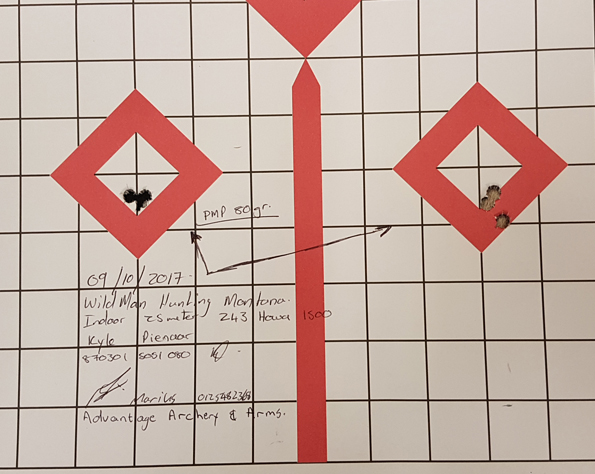
Example of Practice Target with name and date written on it plus receipt of shooting range

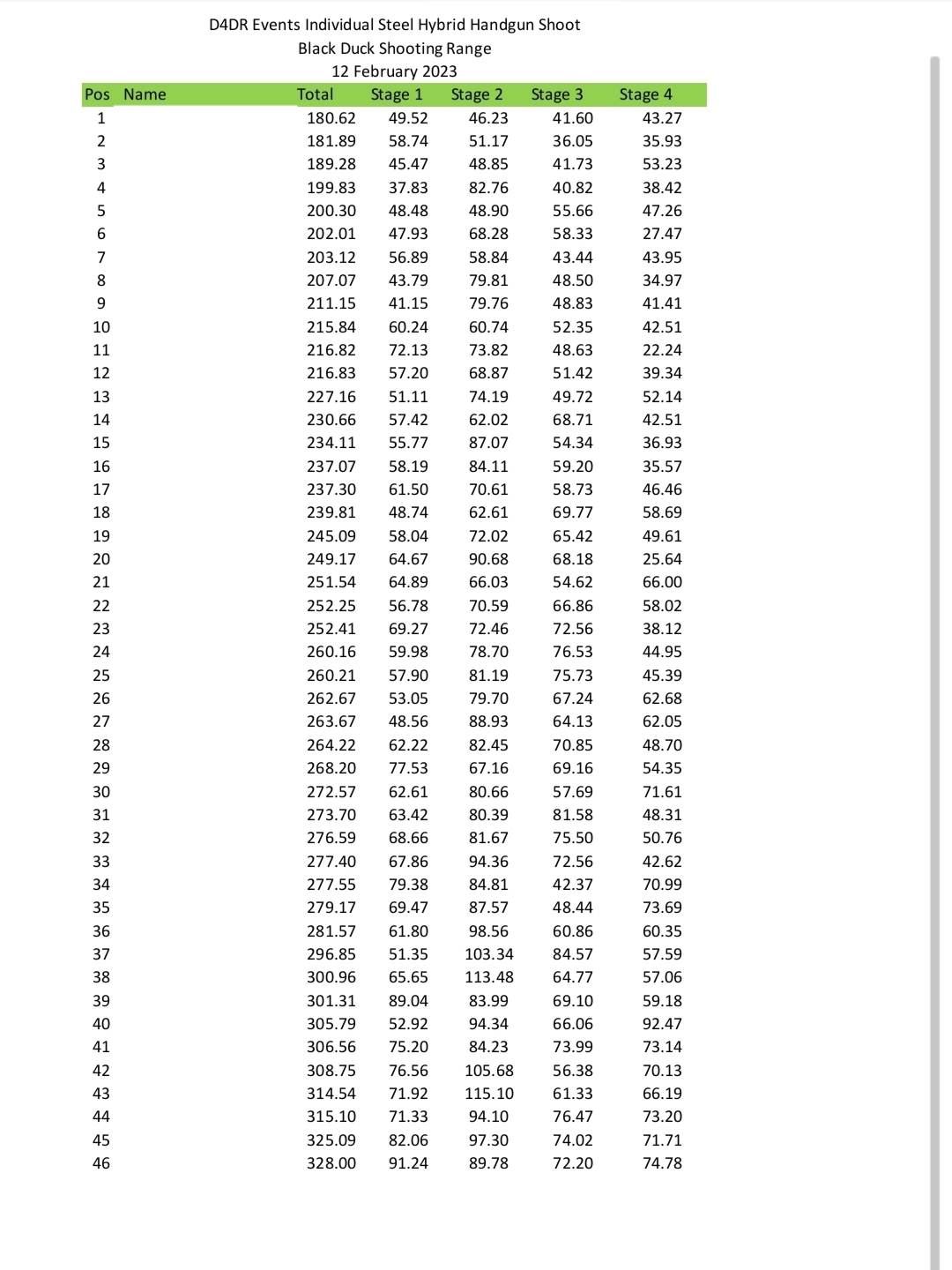
ORGANISED COMPETITION: NON-NHSA

Accepted appropriate dedicated activity: strictly only formally arranged non-NHSA target shooting competitions in which dedicated members participate in, or act as Range Officers, and which competitions are formally arranged by a private organization or business (i.e. Safari Outdoor), or by any association or club.

Confirmation documentation: a results page of the competition proving the reporting member’s participation or Range Officer’s duties performed (without payment); in short any documentary proof of date, time and place, which can prove the reporting member’s participation in the competition, which was entered as an activity.

EXAMPLES OF CONFIRMATION DOCUMENTATION

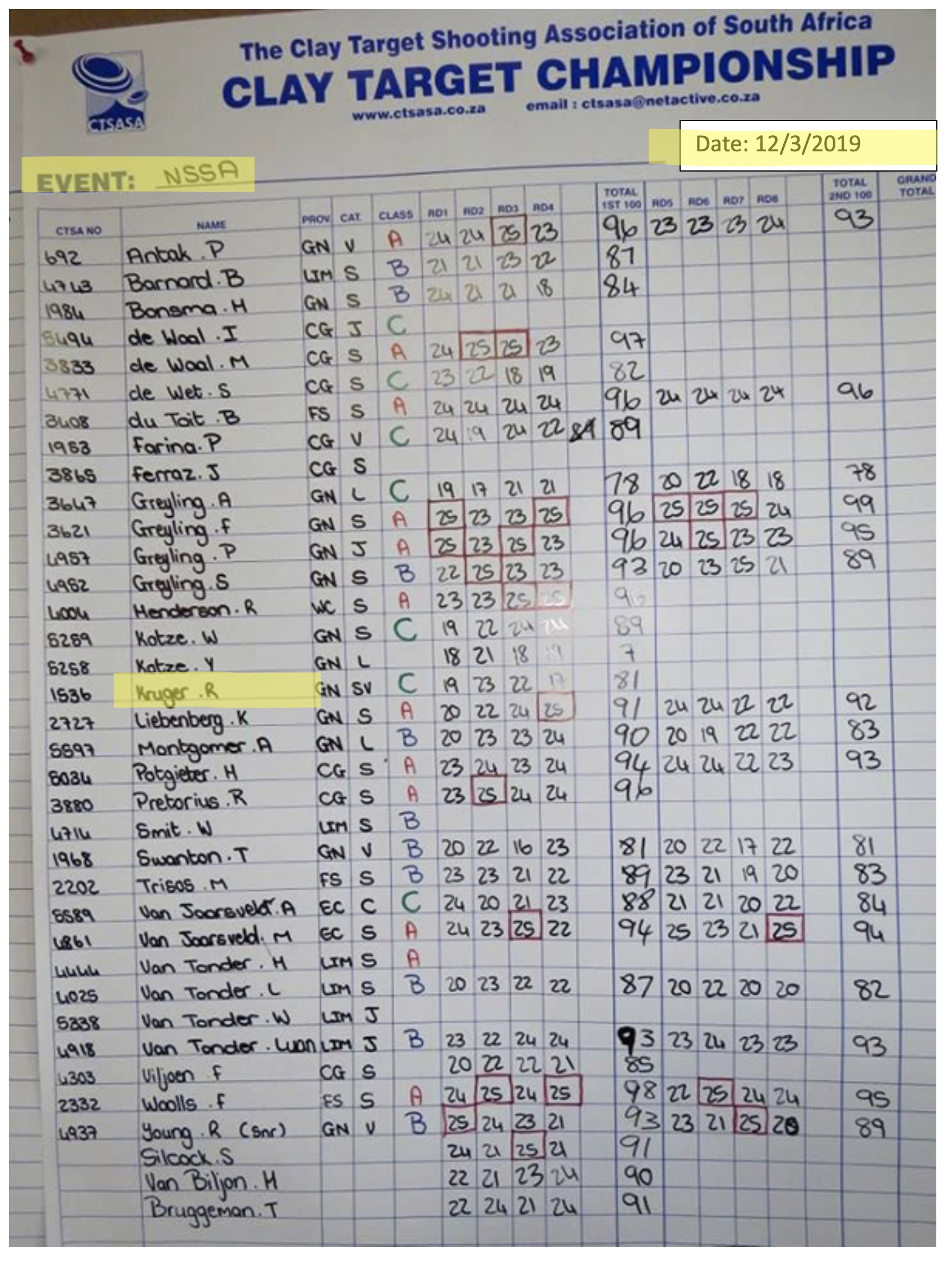
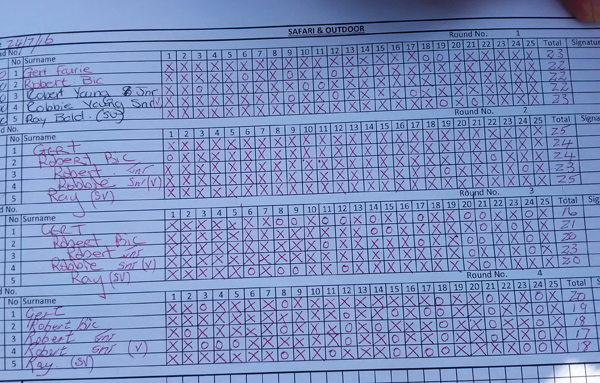
Score Sheet proving participation in CTSASA Clay Target Shooting Competition.

FORMALLY ORGANISED SPORT SHOOTING EVENT: NON-NHSA

Accepted appropriate dedicated activity: strictly only formally arranged non-NHSA target shooting event in which dedicated members participate in, or act as Range Officers, and which events are formally arranged by a private organization or business (i.e. Safari Outdoor), or by any association or club.

Proving documentation: a results page of the shooting event proving the reporting member’s participation or Range Officer’s duties performed (without payment); in short any documentary proof of date, name and place, which can prove the reporting member’s participation in the event, which was entered as an activity.

Proviso: friends coming together to do sport shooting in which they compete against each other in a friendly manner, is not perceived to constitute a sports shoot meant under this heading, this kind of activity can be entered as a sport shooting target practice.

EXAMPLES OF PROVING DOCUMENTS

Score Sheet of Day’s Clay Target Shooting Event at Wattlesprings

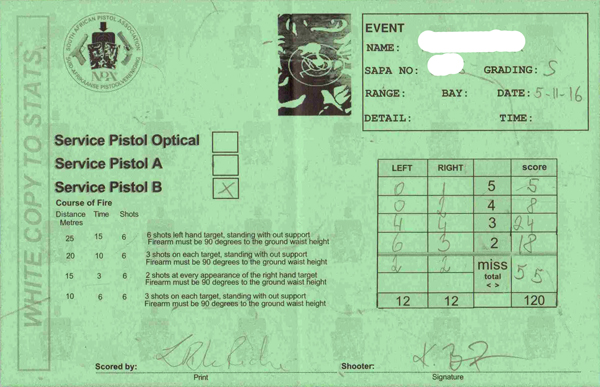
Score Card of Participation in NPA Service Pistol Event Presented at Hermanus Shooting Range

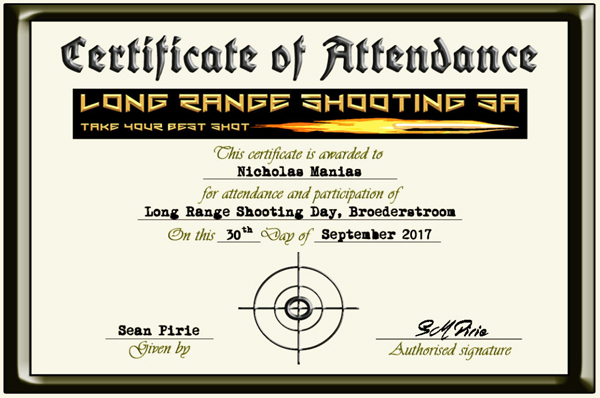
Participation in Long Range Shooting Event at Broederstroom

SPORT SHOOTING: LONG DISTANCE GONG SHOOTING / EVENTS / PRACTICE

Accepted appropriate dedicated activity: Strictly only non-NHSA sport shooting long range target shooting. Scores of NHSA Postal Target Shooting must be entered under Scores on a member’s Natshoot Profile Page.

Confirming documentation: Only copies of range registers or of own score sheets or witness counter signed DOPE sheets or any other form of confirmation of participation in the activity are acceptable as activities. Members may use any form of target (usually gongs) as is used on that specific long distance shooting range. At submission, all documents submitted must please have the Initials and Surname of member on, the date the exercise was shot on, the calibre and type of firearm used, the name of the shooting range plus stamp if available, but definitely a witness signature which includes the cell phone number of the witness (if you can you may also include a copy of the receipt you received at the range on that day). Correct confirmation documentation is important for appropriate evaluation purposes.

Members are requested to keep originals of electronically submitted practice targets for at least three months after submission, and to ascertain that they keep documentation which can serve as confirmation that a practice target was shot on a specific range on a specific day for verification purposes by the NHSA office, should that be required (i.e. receipt, range stamp with date on target, photo of range register of the day, day shooter sticker issued at clubs, etc.).

Note 1: target practice is to be conducted in a formal manner on an accepted shooting range or on a NHSA Exco approved farm range.

Exclusion 1: shooting of tin cans or box targets behind the dam wall is not perceived to constitute target practice as an appropriate dedicated activity, as only sport shooting on accepted ranges or on an Exco approved farm/private ranges are perceived to constitute sport shooting.

TRAINING COURSE IN THE TACTICAL USE OF FIREARMS

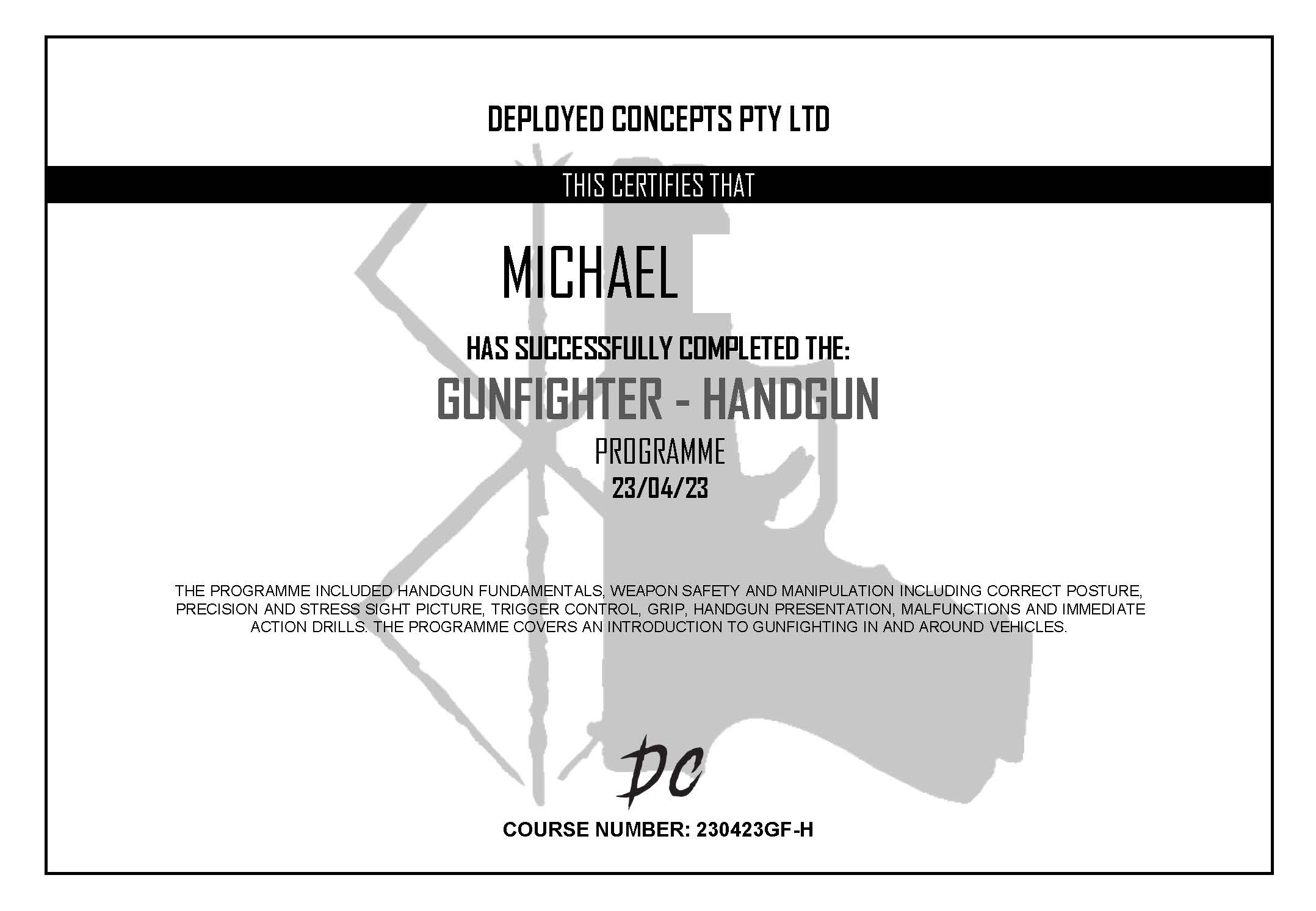
Accepted appropriate dedicated activity: strictly only training in the tactical use of firearms – any course participated in or training to become a trainer in the tactical use of firearms.

Confirming documentation: participation in the accepted activities with name, date, and place.

Exclusions 1: presenting or attending of a proficiency training course associated with sport shooting firearms for purposes of attaining competency; or presenting a sport shooting course (i.e. combat type course) for remuneration or as daily work, is not perceived to be relevant entries here.

EXAMPLES OF CONFIRMING DOCUMENTS

SIGHTING OF HUNTING / SPORT SHOOTING RIFLE SCOPE

Accepted appropriate dedicated activity: strictly only sighting of sport shooting rifle or handgun scope – possibly to install new scope or to prepare for competition or ordinary sport shooting.

Confirmation documentation: Receipt of the shooting range, range register inscriptions, practice target with range name, name, and date written on it, with the signature of a witness to verify the target was shot on the day at the place indicated (photo of the target must have a name, date printed on it or must be copied into a Word document with all information of the target practice written on the Word document).

Exclusions 1: the shooting of tin cans or box targets behind the dam wall is not perceived to constitute target practice as an appropriate dedicated activity.

EXAMPLES OF CONFIRMATION DOCUMENTS

RELOADING OF AMMUNITION

Accepted appropriate dedicated activity: strictly only processes of reloading of hunting or sports shooting rounds, for the purpose of hunting or sport shooting (load development thus has been finalised).

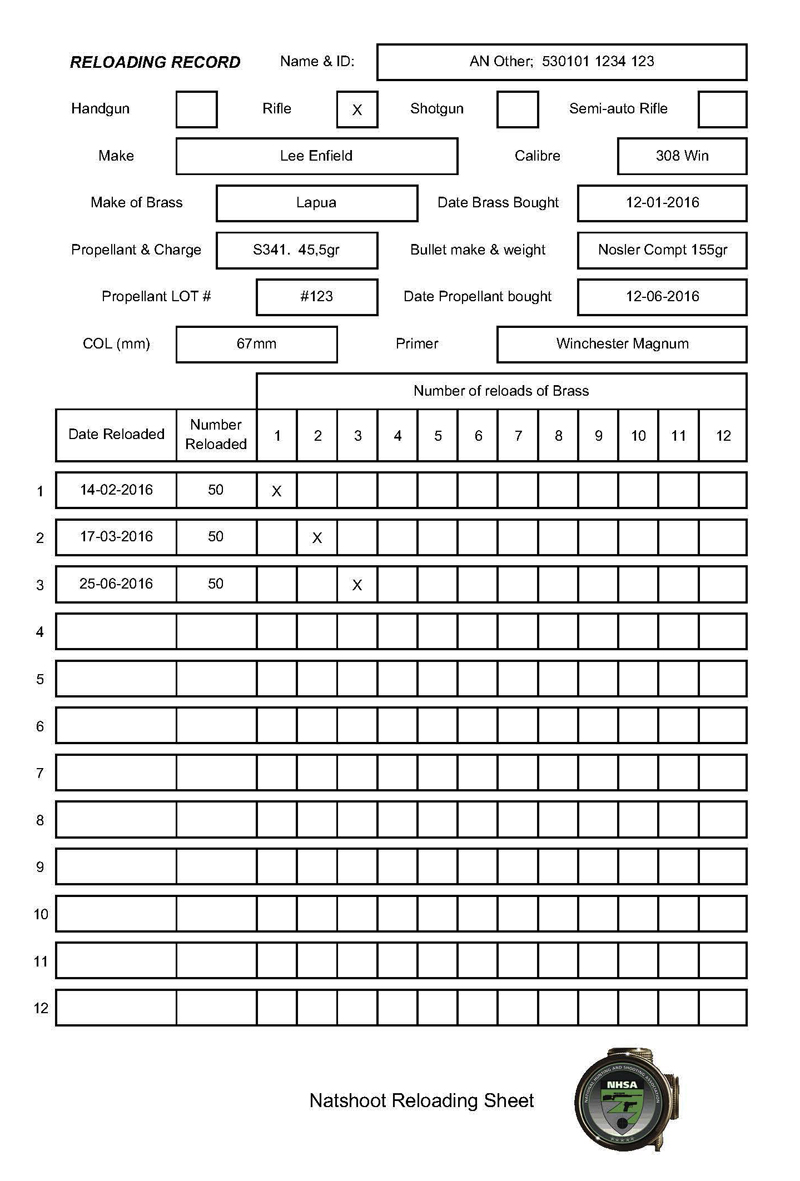
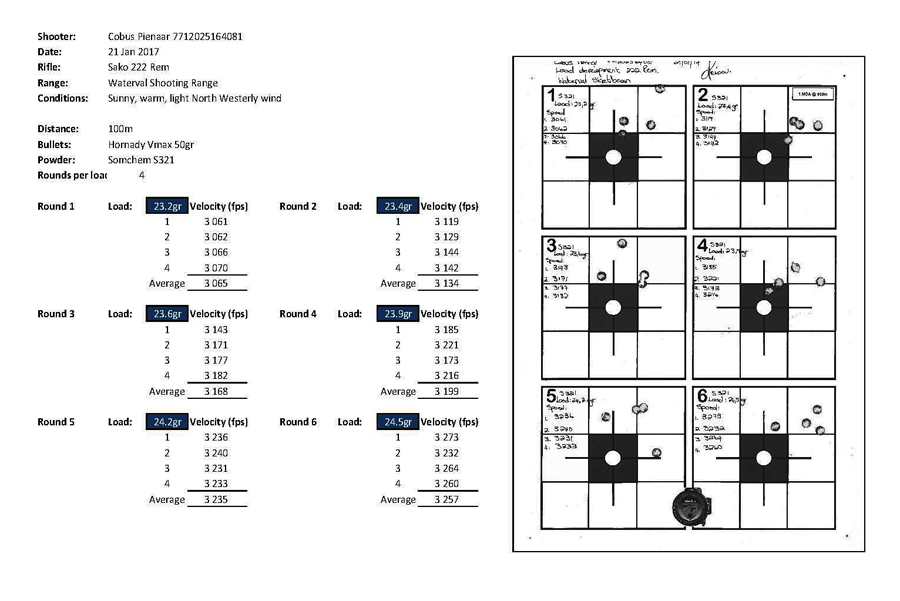
Confirmation documentation: documents which clearly show the reloading record. Copies of reloading note books or sheets with reloading record of all components used and number of rounds reloaded per session by member with name and date. Targets and / or Range Register would also be accepted.

Note 1: Just attaching photos of reloading benches and other reloading equipment, or where member is busy with reloading or shooting on a range, are not perceived to be documents proving this activity, unless the date of the specific reloading event is clearly visible on the attached photo(s).

Note 2: A photo of just a rifle on a shooting bench / vehicle, does not constitute sufficient proof of telescope sighting.

PLEASE BE SURE TO BE SAFE AT ALL TIMES WHEN RELOADING – DO NOT LOAD ABOVE MAXIMUM LOAD INDICATIONS IN RELOADING MANUALS – IF YOU ARE UNSURE CONTACT THE OFFICE AND WE SHALL REFER YOU TO AN EXPERT IN THIS FIELD

EXAMPLES OF CONFIRMATION DOCUMENTS

Example of completed NHSA Reloading Record (Log Book) Sheet

Example of Personal Reloading Sheets (01)

Example of Personal Reloading Sheets (02)

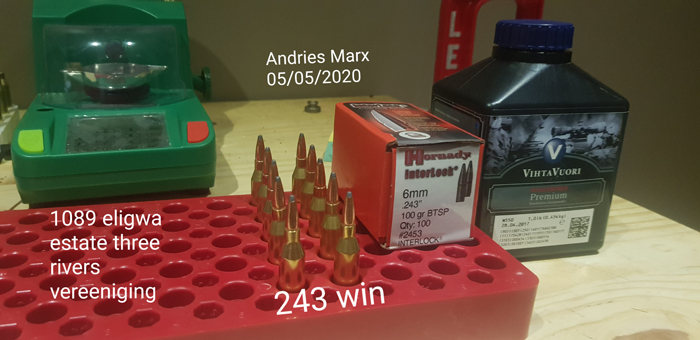
Example of Personal Reloading Confirmation DocumentExample of Personal Reloading Confirmation Document

Example of Personal Reloading Confirmation Document

SPORT SHOOTING: LONG DISTANCE GONG SHOOTING / EVENTS / PRACTICE

Accepted appropriate dedicated activity: Strictly only non-NHSA sport shooting long range target shooting. Scores of NHSA Postal Target Shooting must be entered under Scores on a member’s Natshoot Profile Page.

Confirming documentation: Only copies of range registers or of own score sheets or witness counter signed DOPE sheets or any other form of confirmation of participation in the activity are acceptable as activities. Members may use any form of target (usually gongs) as is used on that specific long distance shooting range. At submission, all documents submitted must please have the Initials and Surname of member on, the date the exercise was shot on, the calibre and type of firearm used, the name of the shooting range plus stamp if available, but definitely a witness signature which includes the cell phone number of the witness (if you can you may also include a copy of the receipt you received at the range on that day). Correct confirmation documentation is important for appropriate evaluation purposes.

Members are requested to keep originals of electronically submitted practice targets for at least three months after submission, and to ascertain that they keep documentation which can serve as confirmation that a practice target was shot on a specific range on a specific day for verification purposes by the NHSA office, should that be required (i.e. receipt, range stamp with date on target, photo of range register of the day, day shooter sticker issued at clubs, etc.).

Note 1: target practice is to be conducted in a formal manner on an accepted shooting range or on a NHSA Exco approved farm range.

Exclusion 1: shooting of tin cans or box targets behind the dam wall is not perceived to constitute target practice as an appropriate dedicated activity, as only sport shooting on accepted ranges or on an Exco approved farm/private ranges are perceived to constitute sport shooting.

ATTENDING A HUNTING, SPORT SHOOTING OR FIREARM RELATED EXPO OR SHOW

Accepted appropriate dedicated activity: proven attendance of any firearm, hunting and or sport shooting Expo, Fair, or Show.

Confirmation documentation: any documentary confirmation with name, date, and place of the Expo; proving that the reporting member attended that specific Expo or Show.

Note 1: only one day of attendance at the same event entered as an activity under this heading will be taken as an activity towards maintaining dedicated status and compliancy.

Exclusions: attendance of a 4×4 vehicle show, at which hunting vehicles may be exhibited, is not an appropriate dedicated activity to enter under this heading, neither is the attendance of specifically a Bow Hunting Expo or an Expo of Military equipment.

ATTEND A SPORT SHOOTING RELATED MEETING

Accepted appropriate dedicated activity: proven attendance of strictly only sport shooting related meetings of any sport shooting association, club, or formalised group.

Confirmation documentation: documents which show name, date, and place of meeting (i.e. minutes of the meeting on which the reporting member’s name is shown); possibly a cell phone photo of the reporting member attending the meeting with date and time on it; a letter from the chairman of the meeting confirming that the reporting member attended the meeting; or any other innovative way the reporting member can confirm attendance of such meeting.

Exclusions: attending a meeting of hunting friends planning a hunting excursion, is not perceived as an appropriate dedicated activity to enter under this heading.

Range Officer Log-sheet

FORMALLY ORGANISED SPORT SHOOTING EVENT: NON-NHSA

Accepted appropriate dedicated activity: strictly only formally arranged non-NHSA target shooting event in which dedicated members participate in, or act as Range Officers, and which events are formally arranged by a private organization or business (i.e. Safari Outdoor), or by any association or club.

Proving documentation: a results page of the shooting event proving the reporting member’s participation or Range Officer’s duties performed (without payment); in short any documentary proof of date, name and place, which can prove the reporting member’s participation in the event, which was entered as an activity.

Proviso: friends coming together to do sport shooting in which they compete against each other in a friendly manner, is not perceived to constitute a sports shoot meant under this heading, this kind of activity can be entered as a sport shooting target practice.

ANNUAL NHSA MARKSMAN GRADING SYSTEM

1. PURPOSE

1.1   To introduce a system whereby NHSA members who regularly partake in NHSA in-House Postal Target Shooting Events, can annually be acknowledged for their shooting skills; while at the same time creating incremental quality precision shooting bench marks (Marksman Grading Levels) towards which all members can aspire in the development of their own personal precision shooting skills.

2. RATIONAL

2.1   In the period 01-12-2014 to 30-12-2017, NHSA members entered 75,517 In-House postal target shooting scores on the Scores Pages of their Personal Natshoot Profile Web Pages (on average, more than 2,000 targets per month over a 36-month period).

2.2   Apart from the fact that scores entered for postal target shooting counts as activities towards compliancy for maintenance of dedicated status in the context of number of visits to the shooting range per annum, these remarkable numbers of members’ participation in In-House postal shoots, and the individual shooting skills achievements, are lost in the Association’s and members’ personal archive files. Archived files accessed only by the members themselves when having to show participation when applying for, or renewing firearm licences.

2.3   These facts lead Exco to again institute an annual Marksman Grading System similar to the former Shooters Classification System which existed in the early “paper-bound” working days of postal scores logging under auspices of NSA. So as to, on the one hand, set challenges to our members to enhance their shooting skills by seeking annual personal achievement, and on the other hand, to annually formally acknowledge members’ shooting skills as represented by their entered postal scores on the Scores Page of their Personal Natshoot Profile Web Page.

3. MARKSMAN GRADING BASICS

3.1   Achieving a specific Marksman Grading Level is linked to shooting a specified average, which is calculated against the six highest handgun or rifle scored targets (or shotgun score sheets) a member annually enters in a specific Marksman Grading Category (paragraph 5).

3.2   Marksman Grading Categories are linked to existing NHSA In-House precision postal target shooting exercises for rifles, handguns and shotguns.

4. MARKSMAN GRADING LEVELS

4.1   Marksman Grading Levels are annually calculated against the six highest in-house postal scores relevant to a paragraph 5 specified Marksman Grading Category entered on a member’s Scores Page; with targets shot between 1 December and 30 November the following year, and of which the scores were entered on a member’s Scores Page before 30 November of a specific year.

4.2   Marksman Grading Levels which can be achieved are:

4.2.1   Distinguished Marksman: High Master achieved with an average from 97% to 100%.

4.2.2   Distinguished Marksman: Master achieved with an average from 90% to 96%.

4.2.3   Distinguished Marksman: Expert achieved with an average from 86% to 89%.

4.2.4   Distinguished Marksman: achieved with an average from 80% to 85%.

Note 1: It is not compulsory for members to submit six Grading Category-specific targets per annum if they do not want to (participation in the Marksman Grading System is voluntary).

Note 2: The period 1 December to 30 November the following year coincides with the prescribed period for entering activities to annually maintain dedicated status.

Note 3: Scores for targets shot between 1 December and 30 November for a specific classification year, but of which the scores are entered after 30 November of a classification year, will not be taken into account for a specific year’s Marksman Grading (thus scores of targets shot on, i.e., 15 November 2018, and of which the scores are, i.e., only entered on 12 December 2018, will not be taken into account for Marksman Grading for 2018 or for 2019). The same rule applies for entering activities for maintaining dedicated status – such entries will thus only be acknowledged and not be approved.

Note 4: Semi-auto Rifle and Rapid-Fire Handgun exercises are not included in the Marksman Grading Categories.

Note 5: Achieving a Marksman Grading Level will annually be indicated on a member’s existing Activities & Scores Report as, for instance: 2018: Distinguished NHSA Expert Marksman (Hunting Handguns) – with Expert Marksman indicating the Marksman Grading Level achieved, and the in brackets (Hunting Handguns) indicating that the Grading Category in which the distinction was achieved, was for centre-fire hunting handguns.

5. MARKSMAN GRADING CATEGORIES

5.1 GRADING CATEGORIES - PRECISION RIFLE SHOOTING

Marksman Grading Levels for precision Rifle Shooting can be achieved in the Marksman Grading Categories for Air Rifles, for .22 Rimfire Rifles, and for Centre-Fire Rifles in all calibres.

5.1.1 Grading Category – AIR RIFLES:

Average of the annually entered six highest scored targets for the following existing In-House postal target shooting exercise:

RULES: 25m AIR RIFLE EXERCISE

This exercise is designed to shoot air rifles for the participant to achieve best and most consistent accuracy. The shooter shoots in the traditional manner from the prone position to the bench or with ‘crossed sticks’ or a single support of a similar manner.

FIREARMS PERMITTED: Only Springer, CO2, or PCP Air Rifles in the following Calibres may be used (.177 / 4.5mm ; .20 / 5mm ; .22 / 5,5mm ; .25 / 6,35mm)

SHOOTING DISTANCE: The shooting distance measured from the target to the edge of the firing line closest to the shooter is 25 metres.

COURSE OF FIRE: Strictly two shots on each of the 5 smaller circles on the A4 Target, shot @ 25m on your own time, and scored out of 100 points.

FIRING POSITION: Any shooting position is valid, with the exception that the butt of the gunstock may not be rested or supported on anything else than being in the shoulder.

5.1.2 Grading Category - .22 RIMFIRE RIFLES:

Average of the annually entered six highest scored targets in any combination of the following existing In-House postal target shooting exercises:

25m, .ALL ACTIONS .22LR RIMFIRE RIFLE EXERCISE

FIREARMS PERMITTED: All Standard Rimfire Rifles chambered for the standard .22 Mag, .22 Short, and .22LR Rimfire Calibre (Bolt / Pump / Lever Actions Rifles) (Open metallic sights or scopes are permitted)

SHOOTING DISTANCE: The shooting distance measured from the target to the front edge of the Shooter’s firing line is 25 metres.

COURSE OF FIRE: 5 shots at 25m shot on one A4 target in your own time scored out of 50 points.

FIRING POSITION: Any shooting position is valid; rifles may be rested on a bench, with the exception that rifle rests of which the front and the back are connected by a centre piece, may not be used.

50m, ALL ACTIONS .22LR RIMFIRE RIFLE EXERCISE

FIREARMS PERMITTED: All Standard Rimfire Rifles chambered for the standard .22 Mag, .22LR and 22 Short Rimfire Calibre (Bolt / Pump / Lever Action) (Open metallic sights or scopes are permitted)

SHOOTING DISTANCE: The shooting distance measured from the target to the front edge of the Shooter’s firing line is 50 metres.

COURSE OF FIRE: 5 shots at 50m shot on one A4 target in your own time scored out of 50 points.

FIRING POSITION: Any shooting position is valid; rifles may be rested on a bench, with the exception that rifle rests of which the front and the back are connected by a centre piece, may not be used.

100m, ALL ACTIONS .22LR RIMFIRE RIFLE EXERCISE

FIREARMS PERMITTED: All Standard Rimfire Rifles chambered for the standard .22 Short, .22LR and .22Mag Rimfire Calibres (Bolt / Pump / Lever Action) (Open metallic sights or scopes are permitted)

SHOOTING DISTANCE: The shooting distance measured from the target to the front edge of the Shooter’s firing line is 100 metres.

COURSE OF FIRE: 5 shots at 100m shot on one A4 target in your own time scored out of 50 points.

FIRING POSITION: Any shooting position is valid; rifles may be rested on a bench, with the exception that rifle rests of which the front and the back are connected by a centre piece, may not be used.

50m, .22 BOLT / PUMP / LEVER ACTION

This exercise is designed to shoot .22 Rimfire Lever Action Rifles and for the participant to achieve best and most consistent accuracy. The shooter shoots in the traditional manner from the prone position to the bench or with ‘crossed sticks’ or a single support of a similar manner

FIREARMS PERMITTED: All Standard Rimfire Rifles chambered for the standard 22LR and 22 Short Rimfire Calibre (Bolt / Pump / Lever Action) (Open metallic sights or scopes are permitted)

SHOOTING DISTANCE: The shooting distance measured from the target to the front edge of the Shooter’s firing line is 50 metres.

COURSE OF FIRE: 5 shots at 50m shot on one A4 target in your own time scored out of 50 points.

FIRING POSITION: Any shooting position is valid; rifles may be rested on a bench, with the exception that rifle rests of which the front and the back are connected by a centre piece, may not be used.

5.1.3 Grading Category - CENTRE-FIRE RIFLES (all calibres):

Average of the annually entered six highest scored targets in any combination of the following existing In-House postal target shooting exercises:

100m, SMALL CALIBRE CENTRE-FIRE RIFLE EXERCISE

FIREARMS PERMITTED: All Standard Small-Bore Centre-fire Rifles, in calibres smaller than .22 Hornet, i.e. .17 REM, .17 Hornet & ,204 Ruger calibres

SHOOTING DISTANCE: The shooting distance measured from the target to the front edge of the Shooter’s firing line is 100 metres.

COURSE OF FIRE: 5 shots at 100m shot on one A4 target in your own time scored out of 50 points.

FIRING POSITION: Any shooting position is valid; rifles may be rested on a bench, with the exception that rifle rests of which the front and the back are connected by a centre piece, may not be used.

100m, ALL ACTIONS CENTRE-FIRE RIFLES EXERCISE

FIREARMS PERMITTED: All Standard Centre-Fire Rifles chambered for calibres up to .50 Cal in any kind of action

SHOOTING DISTANCE: The shooting distance measured from the target to the front edge of the Shooter’s firing line is 100 metres.

COURSE OF FIRE: 5 shots at 100m shot on one A4 target in your own time scored out of 50 points.

FIRING POSITION: Any shooting position is valid; rifles may be rested on a bench, with the exception that rifle rests of which the front and the back are connected by a centre piece, may not be used.

200m CENTRE-FIRE RIFLE EXERCISE

FIREARMS PERMITTED: All Actions in Standard Centre-Fire Rifles chambered for calibres up to .50 Cal

SHOOTING DISTANCE: The shooting distance measured from the target to the front edge of the Shooter’s firing line is 200 metres.

COURSE OF FIRE: 5 shots at 200m shot on one A4 target in your own time scored out of 50 points.

FIRING POSITION: Any shooting position is valid, rifles may be rested on a bench with the front rested on a bi-pod or similar device, with exception that rifle rests of which the front and the back are connected by a centre piece, may not be used.

300m, ALL ACTIONS CENTRE-FIRE RIFLE EXERCISE

FIREARMS PERMITTED: All Standard Centre-Fire Rifles chambered for calibres up to .50 Cal any action allowed

SHOOTING DISTANCE: The shooting distance measured from the target to the front edge of the Shooter’s firing line is 300 metres.

COURSE OF FIRE: 5 shots at 300m shot on one A4 target in your own time scored out of 50 points.

FIRING POSITION: Any shooting position is valid; rifles may be rested on a bench, with the exception that rifle rests of which the front and the back are connected by a centre piece, may not be used.

50m, PISTOL CALIBRE CENTRE-FIRE LEVER ACTION RIFLE EXERCISE

This exercise is designed to shoot centre-fire pistol calibre Lever Action Rifles and for the participant to achieve best and most consistent accuracy. The shooter shoots in the traditional manner from the prone position to the bench or with ‘crossed sticks’ or a single support of a similar manner

FIREARMS ALLOWED: All Typical Centre-fire Pistol Calibre Lever Action Rifles

SHOOTING DISTANCE: The shooting distance measured from the target to the front edge of the Shooter’s firing line is 50 metres.

COURSE OF FIRE: 5 shots at 50m shot on one A4 target in your own time scored out of 50 points.

FIRING POSITION: Any shooting position is valid; rifles may be rested on a bench, with the exception that rifle rests of which the front and the back are connected by a centre piece, may not be used.

50m, RIFLE CALIBRE CENTRE-FIRE LEVER ACTION RIFLE EXERCISE

This exercise is designed to shoot centre-fire calibre Lever Action Rifles and for the participant to achieve best and most consistent accuracy. The shooter shoots in the traditional manner from the prone position to the bench or with ‘crossed sticks’ or a single support of a similar manner

FIREARMS ALLOWED: Only Center-Fire Rifle Calibre Lever Action Rifles

SHOOTING DISTANCE: The shooting distance measured from the target to the edge of the firing line closest to the shooter is 50 metres.

COURSE OF FIRE: 5 shots at 50m shot on one A4 target in your own time scored out of 50 points.

FIRING POSITION: Any shooting position is valid; rifles may be rested on a bench, with the exception that rifle rests of which the front and the back are connected by a centre piece, may not be used.

50m MEDIUM BORE USA RIMMED CALIBRES LEVER ACTION RIFLES EXERCISE

FIREARMS ALLOWED – MEDIUM BORE USA RIMMED CALIBRE RIFLES: Members may participate in this exercise with lever actions and with falling block single shot rifles.

Only rimmed straight taper or rimmed bottleneck cartridges with a minimum calibre of ,300 and maximum calibre of ,360 and with minimum case length of 2.00” (inches) or larger, may be used. Suggested cartridges include: .30-30 Win. / .30-40 / .32-40 / and .32 Win. Spl.

Only cast lead bullets, with or without gas checks, may be used;

Either smokeless or black powder cartridge loads may be used;

Optical or metallic sights may be used.

SHOOTING DISTANCE: The shooting distance measured from the target to the edge of the firing line closest to the shooter is 50 metres.

COURSE OF FIRE: 5 shots at 50m shot on an A4 Target in your own time, and scored out of 50 points.

FIRING POSITION: Free style (out of hand) standing, kneeling, sitting or prone position with no additional support whatsoever (i.e. bag or bi-pod) for rifle. Shooter`s elbows may rest on ground, on knees or on bench-top

50m CENTRE-FIRE WESTERN MEDIUM & BIG-BORE RIFLE EXERCISE

This exercise is designed to shoot historically correct rifles with the correct vintage cartridge styles at representative ranges suitable to the rifles design, sights and ammunition capabilities. Being vintage style ammunition, it requires the shooter’s skill to reload custom prepared ammunition with hand cast lead bullets and custom loads to achieve best and most consistent accuracy. The shooter shoots in the traditional manner with ‘crossed sticks’ or a single support of a similar manner

FIREARMS ALLOWED: Members may participate in the Classic Western/Big Bore rimmed cartridge exercise with lever action rifles (or falling block single shot rifles).

Only rimmed straight taper cartridges with a minimum bore of 0.375 or greater and with cartridge case of min. 2.00” (inches) or larger, may be used in the following calibres: .375 win / .38-55 / .40-65 / .405Win / /45-70 / all Sharps .380+ / Martini-Henry / .444 Marlin.

Only cast lead bullets, with or without gas checks, may be used;

Either smokeless or black powder cartridge loads may be used;

Optical or metallic open sights may be used

SHOOTING DISTANCE: The shooting distance measured from the target to the edge of the firing line closest to the shooter is 50 metres.

COURSE OF FIRE: 5 shots at 50m shot on an A4 Target in your own time, and scored out of 50 points.

FIRING POSITION: Any shooting position is valid; rifles may be rested on a bench, with the exception that rifle rests of which the front and the back are connected by a centre piece, may not be used.

5.2 GRADING CATEGORIES - PRECISION HANDGUN SHOOTING

Marksman Grading Levels in precision Handgun Shooting can be achieved in the Marksman Grading Categories for Air Pistols, for .22 Rimfire Handguns, for Centre-Fire Handguns, and for Hunting Handguns.

5.2.1 Grading Category – AIR PISTOLS:

Average of the annually entered six highest scored targets for the following existing In-House postal target shooting exercise:

10m AIR PISTOL EXERCISE

This exercise is designed to shoot air pistols for the participant to achieve best and most consistent accuracy. The shooter shoots in the traditional manner from the prone position to the bench or with ‘crossed sticks’ or a single support of a similar manner

FIREARMS PERMITTED: Only Springer, CO2, or PCP Air Pistols in the following Calibres may be used (.177 / 4.5mm ; .20 / 5mm ; .22 / 5,58mm ; .25 / 6,35mm)
SHOOTING DISTANCE: The shooting distance measured from the target to the edge of the firing line closest to the shooter is 10 meters.

COURSE OF FIRE: Two shots per small target printed on one A4 page shot at 10m with score counting out of 100points

FIRING POSITION: Standing position, Air Pistol held in one or both hands, with all portions of the shooter`s clothing, body and firearm clear of artificial support.

5.2.2 Grading Category - .22 RIMFIRE HANDGUNS:

Average of the annually entered six highest scored targets (pistols & revolvers) in any combination of the following existing In-House postal target shooting exercises:

5m, .22 RIMFIRE DERRINGER & VEST-GUN EXERCISE

A .22 Rimfire Derringer & Vest-Gun is a handgun of which the barrel is not longer than 3 inches and of which the whole frame, sights and grip, fits into a rectangle of 130mm x 100mm.

The Rimfire Derringer & Vest-Gun must fit into the box described on the page you can Download HERE

FIREARMS PERMITTED: .22 Rimfire Derringers and .22 Rimfire calibre Vest-Guns (.22S, .22LR, .22Mag) and .22wmr calibre revolvers (all types of sight configuration allowed)

SHOOTING DISTANCE: The shooting distance measured from the target to the front edge of the Shooter’s firing line is 5 metres.

COURSE OF FIRE: Total of 5 shots at 5m – shot on your own time, on one target and scored out of 50 points.

FIRING POSITION: Standing position, Derringer or Vest-Gun held in one or both hands, with all portions of the shooter`s clothing, body and firearm clear of artificial support.

5m, .22 RIMFIRE "SNUBBY" & POCKET PISTOL EXERCISE

.22 RIMFIRE “SNUBBY” & POCKET PISTOL: All Calibres of .22 Rimfire Semi-Auto Pistols and Revolvers of which the barrel is not longer than 100mm and the grip below the trigger guard is not longer than 90mm (5mm variance on all sides allowed).
The Rimfire Snubby / Pocket Pistol must fit the boxes described on the page you can Download HERE

FIREARMS PERMITTED: Only .22S, .22LR, and .22Mag calibres allowed in Rimfire Semi-Auto Pistols OR Singe/Double Action Revolvers conforming to the definition of “Snubby” & Pocket Pistol – only fixed metallic sights allowed

SHOOTING DISTANCE: The shooting distance measured from the target to the front edge of the Shooter’s firing line is 5 metres.

COURSE OF FIRE: Total of 5 shots at 5m – shot on your own time, on one target and scored out of 50 points.

FIRING POSITION: Standing position, Rimfire “Snubby” or Pocket Pistol held in one or both hands, with all portions of the shooter`s clothing, body and firearm clear of artificial support.

8m, .22 RIMFIRE BOX-GUN EXERCISE

RIMFIRE BOX-GUN: A .22 Rimfire Box-Gun is a Rimfire handgun of which the whole frame, sights and grip, fits into a rectangle of 210mm [L] x 160mm [H].

The Box-Gun must fit into the box described on the page you can Download HERE

FIREARMS PERMITTED: Only handguns in calibres from .22S, .22LR and .22Mag, which fit in the prescribed Rectangle (all types of sight configuration allowed)

SHOOTING DISTANCE: The shooting distance measured from the target to the front edge of the Shooter’s firing line is 8 metres.

COURSE OF FIRE: Total of 5 shots at 8m – shot on your own time, on one target and scored out of 50 points.

FIRING POSITION: Standing position, Box-Gun held in one or both hands, with all portions of the shooter`s clothing, body and firearm clear of artificial support.

10m, .22 RIMFIRE HANDGUN EXERCISE

FIREARMS PERMITTED: Only .22 Rimfire Handguns in calibres .22S, .22LR & 22Mag. (all types of sight configuration allowed)

SHOOTING DISTANCE: The shooting distance measured from the target to the front edge of the Shooter’s firing line is 10 metres.

COURSE OF FIRE: 5 shots at 10m shot on the relevant Target, in your own time scored out of 50 points.

FIRING POSITION: Standing position, handgun held in one or both hands, with all portions of the shooter`s clothing, body and firearm clear of artificial support.

5.2.3 Grading Category - CENTRE-FIRE HANDGUNS:

Average of the annually entered six highest scored targets (pistols & revolvers) in any combination of the following existing In-House postal target shooting exercises

5m CENTRE-FIRE DERRINGER & VEST-GUN EXERCISE

VEST-GUN: A Centre-Fire Derringer & Vest-Gun is a centre-fire handgun of which the barrel is not longer than 3 inches and of which the whole frame, sights and grip, fits into a rectangle of 130mm x 100mm.

The Derringer & Vest-Gun must fit into the box described on the page you can Download HERE

FIREARMS PERMITTED: Only Centre-Fire Derringers and Centre-Fire Vest-Guns in calibres from .25 up to 7,65mm (.32) (all types of sight configuration allowed)

SHOOTING DISTANCE: The shooting distance measured from the target to the front edge of the Shooter’s firing line is 5 metres.

COURSE OF FIRE: Total of 5 shots at 5m – shot on your own time, on one target and scored out of 50 points.

FIRING POSITION: Standing position, Derringer or Vest-Gun held in one or both hands, with all portions of the shooter`s clothing, body and firearm clear of artificial support.

5 SHOT CENTRE-FIRE "SNUBBY" / POCKET PISTOL EXERCISE

CENTRE-FIRE “SNUBBY” & POCKET PISTOL: All Centre-Fire Calibres Semi-Auto Pistol of which the barrel is not longer than 100mm and the grip below the trigger guard is not longer than 80mm OR all Centre-Fire Single/Double Action Revolvers of which the barrel is not longer than 90mm and the grip below the trigger guard is not longer than 80mm.

The Snubby / Pocket Pistol must fit the boxes described on the page you can Download HERE

FIREARMS PERMITTED: All Calibres of Centre-Fire Semi-Auto Pistols AND all Calibres of Singe/Double Action Centre-Fire Revolvers conforming to the definition of “Snubby” & Pocket Pistol – only fixed metallic sights allowed

SHOOTING DISTANCE: The shooting distance measured from the target to the front edge of the Shooter’s firing line is 5 metres.

COURSE OF FIRE: Total of 5 shots at 5m – shot on your own time, on one target and scored out of 50 points.

FIRING POSITION: Standing position, “Snubby” or Pocket Pistol held in one or both hands, with all portions of the shooter`s clothing, body and firearm clear of artificial support.

7m CENTRE-FIRE CARRY GUN EXERCISE

CARRY GUN: Centre-Fire Handguns of calibre 7,65mm and larger, fitting in a Box [rectangle] of 190mm [L] x 140mm [H] (all types of sight configuration allowed)

The Carry Gun must fit the Box described on the page you can Download HERE

SHOOTING DISTANCE: The shooting distance measured from the target to the front edge of the Shooter’s firing line is 7 metres.

COURSE OF FIRE: Total of 5 shots at 7m – shot on your own time, on one target and scored out of 50 points.

FIRING POSITION: Standing position, Carry Gun held in one or both hands, with all portions of the shooter`s clothing, body and firearm clear of artificial support.

7m, HISTORIC CENTRE-FIRE REVOLVER / PISTOL EXERCISE

FIREARMS PERMITTED:

Revolvers issued and used in the Anglo-Boer War, the Great War (WW I) and WWII (pre-1950 Production) in the following calibres, i.e.: 38 Smith and Wesson, Colt 38 police, Webley 38, .45 ACP Smith & Wesson, Webley 455 (no barrel length restrictions – only iron open sights allowed).

Semi-Auto Pistols issued and used in the Anglo-Boer War, the Great War (WW I) and WWII (pre-1950 Production) in the following calibres, i.e.: 9mmP, 9mmS, .45 ACP (no barrel length restrictions – only iron open sights allowed).

SHOOTING DISTANCE: The shooting distance measured from the target to the front edge of the Shooter’s firing line is 7 metres.

COURSE OF FIRE: Total of 5 shots at 5m – shot on your own time, on one target and scored out of 50 points.

FIRING POSITION: Standing position, revolver held in one or both hands, with all portions of the shooter`s clothing, body and firearm clear of artificial support.

8m, CENTRE-FIRE BOX-GUN EXERCISE

CENTRE-FIRE BOX-GUN: A Centre-Fire Box-Gun is a centre-fire handgun of which the whole frame, sights and grip, fits into a rectangle of 210mm [L] x 160mm [H] (5mm variance on both sides allowed).

The Centre-Fire Box-Gun must fit into the box described on the page you can Download HERE

FIREARMS PERMITTED: All Calibre Centre-Fire Handguns up to .50 Cal, which fit in the prescribed Rectangle (all types of sight configuration allowed)

SHOOTING DISTANCE: The shooting distance measured from the target to the front edge of the Shooter’s firing line is 8 metres.

COURSE OF FIRE: Total of 5 shots at 8m – shot on your own time, on one target and scored out of 50 points.

FIRING POSITION: Standing position, Box-Gun held in one or both hands, with all portions of the shooter`s clothing, body and firearm clear of artificial support

10m CENTER-FIRE HANDGUN EXERCISE

FIREARMS PERMITTED: Only Centre-Fire Handguns in Calibres up to .50 Cal (all types of sight configuration allowed)

SHOOTING DISTANCE: The shooting distance measured from the target to the front edge of the Shooter’s firing line is 10 metres.

COURSES OF FIRE: 5 shots at 10m shot on the relevant A4 Handgun Target, in your own time scored out of 50 points.

FIRING POSITION: Standing position, handgun held in one or both hands, with all portions of the shooter`s clothing, body and firearm clear of artificial support.

5.2.4 Grading Category - HUNTING HANDGUNS:

Average of the annually entered six highest scored targets (purpose built hunting handguns, revolvers and allowed pistols) of the following existing In-House postal target shooting exercise:

20m, CENTRE-FIRE HUNTING HANDGUN EXERCISE

FIREARMS PERMITTED: All purpose built Centre-Fire Hunting Handguns in typical Centre-Fire Rifle Calibres (i.e. Thompson Contender) – OR minimum 4 inch barrelled Centre-Fire Revolvers in calibres from .38 Spec and larger (Only Pistol allowed: Desert Eagle in .44 Mag cal and larger) (al types of sight configurations allowed)

SHOOTING DISTANCE: The shooting distance measured from the target to the edge of the firing line closest to the shooter is 20 meters.

COURSES OF FIRE: 5 shots at 20m shot on one A4 target in your own time scored out of 50 points.

FIRING POSITION: Any shooting position is allowed – use of shooting sticks is allowed – or shooting from a bench over a rest.

5.3 GRADING CATEGORY - SHOTGUN SHOOTING (CLAY TARGET SHOOTING)

Marksman Grading Levels in Shotgun Shooting can be achieved in the Marksman Grading Category for Clay Target Shooting.

5.3.1 Grading Category – CLAY TARGET SHOOTING:

Average of the annually entered six highest scored score sheets in any combination of the following existing In-House postal target shooting exercises:

Compak (per round of 25 clays)

SHOTGUN CLAY TARGET SHOOTING EXERCISES

FIREARMS ALLOWED: All double barrelled shotguns in bores (calibres) from 410, 12Ga, 16Ga, 18Ga, and 20Ga.

Semi-automatic and pump action shotguns allowed if ranges allow them – Single barrelled shotguns specific for ATA Trap are allowed where ranges allow such shotguns

COURSES OF FIRE

COMPAK – Any Compak range set-up consisting of one round of, or multiples of rounds of, 25 clays.

SKEET (NSSA Skeet)

All variants of Skeet consisting of one round of, or multiples of rounds of, 25 clays.

ATA & Olympic TRAP

All forms of Trap disciplines consisting of one round of, or multiples of rounds of, 25 clays.

DTL Trap

Consisting of one round of, or multiples of rounds of, 25 clays counting 75 points.

SPORTING CLAYS (FITASC Sporting, English Sporting & English Doubles)

All variants of Sporting Clays consisting of one round of, or multiples of rounds of, 25 clays.

UNIVERSAL TRENCH: All forms of Trench disciplines consisting of one round of, or multiples of rounds of, 25 clays.

FIRING POSITION: It is NHSA policy that participants conform to standard acceptable shotgunning stances and that shotguns will be handled with the utmost of care and safety in mind – conform to range set standards at all times (eye and ear protection is mandatory).

TARGETS: A normal round of any of the above mentioned clay target shooting disciplines, consisting of a combination of normal clays, midi clays, mini clays, super mini clays, battue clays, or rabbit clays (thrown with a hand trap or with an electric operated trap machine).

Skeet, (NSSA Skeet) (per round of 25 clays);

Sporting Clays (FITASC Sporting, English Sporting & English Doubles) (per round of 25 clays);

Trap (ATA Trap or DTL Trap & Olympic Trap) (per round of 25 clays), and;

Universal Trench (all formats of trench) (per round of 25 clays).

6. PROCEDURES FOR ANNUAL MARKSMAN GRADING

6.1   It is not compulsory for members to submit six Grading Category-specific targets per annum if they do not want to (participation in the Marksman Grading System is voluntary). But if a member should enter six targets in one Grading Category, s/he will automatically be evaluated for qualification in one or other Marksman Grading Category, if s/he should qualify.

6.2   The NHSA Marksman Grading System will annually be calculated against scores entered for postal targets shot from 1 December to 30 November the following year to coincide with the prescribed period for entering activities to annually maintain dedicated status (the first NHSA Marksman Grading will be done on 1 December 2018 against a member’s scores entered per paragraph 5 mentioned Grading Category for postal target scores shot between 1 December 2017 and 30 November 2018).

6.3   Only postal scores entered on or before 30 November annually for targets shot in the specific grading year (1 December to 30 November), will be taken into account for that year’s Marksman Grading. Thus scores of targets shot on, i.e., 15 November 2018, and of which the scores are only entered on 12 December 2018, will not be taken into account for Marksman Grading for 2018 or for 2019 because these were not shot in the year for which the targets for the 2019 grading will be calculated.

6.4   A member’s Marksman Grading starts afresh every year without taking the Marksman Grading Level of the previous year into account. A member can thus on 1 December 2018 achieve a Marksman Grading Level of, i.e. Distinguished NHSA Master Marksman (.22 Rimfire Rifles), and on 1 December 2019 only achieve a Marksman Grading of, i.e. Distinguished NHSA Marksman (.22 Rimfire Rifles).

6.5   A member’s evaluation to achieve a Marksman Grading Level in a specific Grading Category in a specific grading year, will only be initiated once s/he had entered a minimum of six target scores for a specific paragraph 5 mentioned Grading Category.

6.6   The six targets for which the highest scores were achieved in a specific Marksman Grading Category in a specific year, could all have been shot on one day.

6.7   A member may annually enter target scores in as many Marksman Grading Categories as s/he wishes.

6.8   A member may annually enter as many target scores in a specific Marksman Grading Category as s/he wishes.

6.9   A certificate indicating the Marksman Grading Level per Marksman Grading Category the member had achieved in a specific year, will on 1 December annually, be available for download on his/her Natshoot Profile Pages under the left-side menu heading, My NHSA Documents.

6.10   Achieving a Marksman Grading Level will annually be indicated on a member’s existing Activities & Scores Report as, for instance: 2018: Distinguished NHSA Expert Marksman (Hunting Handguns) – with Expert Marksman indicating the Marksman Grading Level achieved, and the in brackets (Hunting Handguns) indicating that the Grading Category in which the distinction was achieved, was for centre-fire hunting handguns.

6.11   Members may, from 1 December each year and not later than 15 January the following year in which the Marksman Grading Level was achieved, order Marksman Grading Level cloth badges from the office, indicating the specific Distinguished Marksman Grading Level the member had achieved in a specific year. No order for these cloth badges will be accepted later than 15 January per annum (for the previous year), so as to ascertain the best possible price for making the quality badges NHSA requires. Orders for badges are to be placed with the Natshoot Shop.

2026 NATIONAL COMPETITION

ANNUAL NATIONAL COMPETITION RULES, FORMAT, EXERCISES & TARGETS

ENROLMENT: CLASSES OF PARTICIPATION & ENTRY FEES

You will be able to enrol for the National Competition on your Natshoot Member Portal from 06:00 on 28 August 2026

ENTRY FEE

The entry fee is a once off payment to participate in the Annual National Competition, irrespective of how many exercises you choose to compete in during the competition. Entry Fees for the NHSA National Competition for all classes of participants is R165.00 (R144.00 entry + R21.00 VAT).

Payments to be facilitated via your Member Portal, when registering for the Competition

CLASSES OF PARTICIPATION

  • Classes for participation for the Annual National Competition (called peer groups), are as follows:
  • Junior Class: A Competitor who turns 20 years of age in the competition year or younger.
  • Open Class: A Competitor who turns 21 years of age in the competition year up to competitors who turn 59 years of age in the competition year
  • Senior Class: A Competitor who turns 60 years of age in the competition year and older.
 
  • There can unfortunately be no refund of competition fees if members do not follow all prescripts of the competition correctly.
  • Correctly scored and completed as well as witness signed shot targets for the NHSA Annual National Competition must be uploaded on a participant’s Member Portal as Competition (for the specific year) not later than midnight on 30 September of the specific competition year (No scores for competition purposes will be accepted after this date and time – no exceptions will be made).
  • Competition score entries for which a competitor has received a Review with Feedback notice per Email and which must be fixed in the manner as described in the Email a member will receive, must be fixed (Edited) by 24:00 on 2 October of the specific competition year for the score to be taken into account for ranking in the year’s annual competition. If such entry has not been corrected in time, the entry will disqualify itself and not be considered for exercise ranking.
  • Competition results will be made available and published on the Natshoot Member Portal hopefully not later than mid November of the specific competition year, to afford the judges adequate time to sort out conflicts if there should be any.
  • Participants may only use the Firearms they personally legally own – as the member has made the firearm to fit him/her as person (open steel/iron sights or scoped).
 
  • The exception to this rule is where spouses or partners or juniors shoot with firearms of their partners or parents (guardians) or under supervision of the owner of the firearm(s).
  1. Participants download and use the Competition Specific Targets for all competition exercises, which can be downloaded from a member’s Competition Page on his/her Natshoot Member Portal.
  2. Targets for the National Competition will be available to download from 06:00 on 31 August of the specific competition year.
  3. The targets to be downloaded are all in PDF format and are all A4in size. All Targets MUST be printed in A4 format with the Adobe Reader’s Document size set at 100%
  4. Only scores on targets specifically marked as Competition Target will be accepted for the National Competition (Competition Targets are all numbered, as examples, Target # Com01 or Target # Com14, etc., on each competition target or competition score sheet)
  5. Only exercise specific Targets may be entered for a specific exercise a competitor partakes in for the National Competition. You MAY NOT use a Target for an exercise you want to compete in, which is not specificallymarked for that specific exercise.
  6. Each member’s targets are individually designated with their personal information – please DO NOT print targets for anybody else or use another member’s targets.
  7. Targets with altered personal information will be declined.
  8. Competition targets may not be used for anything other than the annual competition, and must please not be submitted for in-House Postal Scores or as Sport Shooting Activity Targets as submissions of competition specific targets under those headings will be declined by Scores and Activity Evaluators by default.
  9. Targets, which have not been completely scored, or on which ALL fields of inscription have not been completed, will not be evaluated, and will be sent back to the participant as Reviewed with Feedback.
  10. The participant then has the opportunity to correctly fill out all fields on the Target(s) and to re-submit before midnight on 2 October of the specific competition year.
  11. If the participant, however, does not Edit the Target(s) and make the corrections and re-submit the Target(s) before 24:00 on 2 October, the specific Target(s) will not count towards the Competition.
  12. Each individual Target’s scores for the Annual National Competition must be entered as a separate entry.
  13. No sticker of any colour may be pasted on the centre of the target to make it better visible. Targets submitted with such “markers” on the centre will automatically be disqualified – it is considered unfair competition.
  14. The final day for electronic submission of competition targets and scores on participant’s Natshoot Member Portal is 23:59 on 30 September. The specific year’s “Competition Button” on a member’s Member Portal will be deactivated at 23:59 on 2 October of the specific competition year (members thus have time till 23:59 on 2 October to make corrections to targets as are or might be requested by the evaluators).
  15. The majority of competition targets for the annual national competitions look like the examples below. The majority of targets have more than one target-circle on the A4 page of the exercise specific target which can be downloaded. Please be sure to shoot only the indicated number of shots per target-circle as targets with more than the allowed shots per target-circle will be declined. PLEASE NOTE: Once a target for a specific competition exercise has been declined, no other target may be entered for that competition exercise.
  16. Compulsory Video: For all semi-auto rifle exercises it is required that the competitor make a video of the full exercise being shot.
  • The video must be taken from behind the shooter in such a manner that the shooting position of the shooter is visible in relationship to target A and target B of the specific exercise.
  • The video must also capture the shooting time used for both targets of this exercise.
  • Smart phones can be used to make the video.
  • This video must be kept for 3 months after the closing date of the competition and must be made available to the competition evaluators if so requested.
  • If this video cannot be produced on request by returning via Email, the competitor will automatically disqualify himself/herself from that specific competition exercise.
TARGET EXAMPLE 1

Target Definition

The target is the complete A4 sheet on which the scoring rings are printed.
The target does not include the backing material onto which the target is attached.

X-Ring Value

The X-ring is worth 10 points.

Pure Shot (Clean Shot)

A Pure Shot is a shot that:

• Falls completely inside a scoring ring.

• Does not touch or cut the scoring-ring line.

A leaded-edge hole that touches the line but remains fully inside the scoring ring is scored according to the ring in which it lands.

Example

Hole completely inside the 9-ring = 9 points

Cut Shot

A Cut Shot is a shot where the bullet hole:

• Cuts,

• Touches, or

• Crosses

the scoring-ring line.
A cut shot is awarded the higher score.

Example

99% of hole in the 9-ring and 1% touching the 10-ring line = 10 points

Keyholed, Tipped or Skid Shots

If a bullet strikes sideways, tumbles, or creates an elongated hole:

• The score is still determined by whether the hole cuts the next scoring ring.

• The higher value applies where appropriate.

Bullet Entry from Rear of Target

Any bullet that enters the target from the back is scored as:
0 points (Miss).

7.7 Shots Outside the Scoring Rings Any hit outside all scoring rings is scored as:
0 points (Miss).

CORRECT SCORING OF TARGETS

Prescribed Positions

Competitors may only use the firing position specified in the exercise description.

Competitors with Disabilities

Competitors with disabilities who cannot reasonably use the prescribed position may shoot using the most suitable alternative position.

The disability must be clearly noted on the target before score submission.

Approved Shooting Ranges

Competitors may shoot at:

  • Publicly recognised shooting ranges.
  • Club shooting ranges.
  • Private (farm) shooting ranges recognised / registered by Natshoot

Ranges must meet the minimum distance requirements for the exercise being shot.

Firearm Type   Minimum Distance

Handguns          10 Meters

Rifles                    100 Meters

Natshoot Friendly Ranges

A list of Natshoot Friendly Shooting Ranges is available on the Natshoot website.

Use of these ranges is optional. You may use any other NRCS or SAPS approved accredited ranges that is not Natshoot friendly.

Competition Targets

Competitors MUST obtain official targets from their Natshoot Member Portal.

Shooting ranges MAY NOT supply competition targets to competitors.

Range Fees

Competitors are responsible for any shooting range fees charged by the range.

Witnesses and Timekeepers

The witness or timekeeper may be:

  • A shooting range staff member.
  • A Natshoot member.
  • Another shooter present at the range.


The witness must:

  • Observe the shoot.
  • Understand the exercise requirements.
  • Sign the target.
  • Provide a contact number if verification becomes necessary.

*The above MUST happen on the ranges itself and not off location

Video Requirement for Semi-Auto Rifles

For all semi-auto rifle exercises:

Mandatory Video Recording

A complete video of the exercise must be recorded.

The video MUST show:

  • The shooter.
  • Shooting position.
  • Target A.
  • Target B.
  • The time taken during the active shooting of the exercise.


Retention Period

The video must be retained for:

  • 3 months after the competition closing date.


Failure to Produce Video

If requested and the video cannot be provided:

The competitor will be DISQUALIFIED from that exercise.

Important Instruction

  • Enter each Annual COMPETITION TARGET score as one separate entry.
  • Each target score MUST be captured individually, regardless of how many scores you submit for the competition.

Entering Competition Scores

Participants MUST log their own competition scores on their Natshoot Member Portal.

Competition Entries

Each score entered for the Competition will automatically appear as a competition entry on the Competition Page of your Scores Page in the Natshoot Member Portal.

Correcting Mistakes

If you make an error when entering a competition score:

  • You MAY edit the competition entry and re-enter the correct score.
  • You MAY delete the entry and re-submit the entire competition score.
  • Changes MUST be made BEFORE the score has been evaluated.


Use of Competition Targets

  • Competition targets MAY ONLY be used for the Annual National Competition.
  • Your results of the competition will AUTOMATICALLY count towards your marksman grading achievements AND count your dedicated status (This obviously excludes Air Rifle entries).
  • DO NOT UPLOAD THEM AGAIN UNDER SCORES OR ACTIVITIES


Evaluation of Competition Scores

  • Competition scores are evaluated as they are submitted.
  • Due to high submission volumes, approval or decline notifications MAY take up to 3 business days
  • If a score is declined:
    • You will receive an email.
    • The email will clearly state the reason for the decline.


IMPORTANT NOTE

Once a score has been submitted for the Annual Competition and is subsequently declined:

  • The declined target (exercise) MAY NOT be repeated.
  • The declined target MUST NOT be re-entered for that same year’s competition.
SCORE RANKING PER EXERCISE AND PEER GROUP

Ranking is firstly determined by the Highest Exercise Score. Competitors with the same exercise scores are then ranked according to the highest number of shots closest to centre of Target (called shot indicators).

  1. First by highest total of pure X-Shots plus cut-X-shots;
  2. Then by highest number of clear X-shots;
  3. Then by highest number of cut-X-shots;
  4. Then by highest total of pure 10-shots plus cut-10-shots;
  5. Then by highest number of pure 10-shots,
  6. Then by highest number of cut-10-shots, and so on with pure shots and cut-shots in the 9-ring, the 8-ring and the 7-ring (if it is on the target).


Competitors with the exact same Exercise Scores and Shot Indicators, share the ranking in alphabetical order. Exercise Scores below 60% are indicated with “P” (Participated).

  • All participants in the specific year’s National Competition will be able to download a Certificate of Participation denoting their participation in that year’s National Competition from the Documents page on their Natshoot Member Portal after competition closing date (see the Certificates Page under the Documents Page).
  1. All scores for all exercises in the national competition count towards the Marksman Grading in a specific year (December to end November)
  2. Approved competition targets (with exception of Air Pistols and Air Rifles from 5,5mm and below), will count towards maintenance of Dedicated Status and will reflect on a member’s Activity & Scores Report as a sport shooting activity.

The individual exercise rules can be viewed under the Competition Tab on your Member Portal.

SPORT SHOOTING FAQS

The National Hunting and Shooting Association (NHSA) has its activities focused on assisting the busy but enthusiastic hunter and/or sport shooter who cannot always participate in the usual structured activities.
The how to of Sport Shooting.

Lorem ipsum dolor sit amet, consectetur adipiscing elit. Ut elit tellus, luctus nec ullamcorper mattis, pulvinar dapibus leo.